





Last Updated on December 29, 2019, 10:22 AM AST by Anthony Morris
The Central Bank of the Bahamas (CBB) has launched a digital variant of the Bahamian money, commencing with a pilot stage in Exuma and stretching in the initial half of 2020 to Abaco.
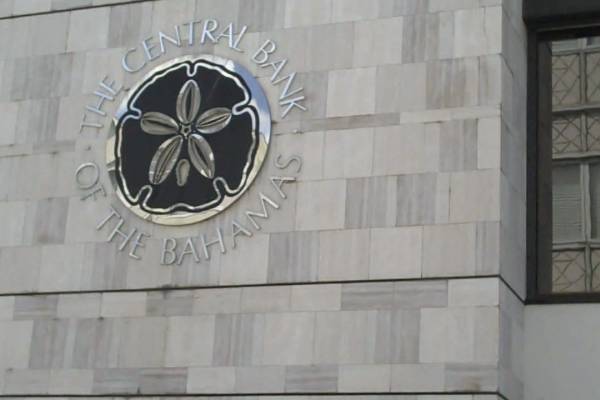
The bank said that this project has got the title Project Sand Dollar, with the sand dollar also holding the title named to the suggested central bank digital currency (CBDC).
“This is a sequence of the Bahamian Payments System Modernization Initiative (PSMI), which started in the first 2000s. The Bahamian PSMI aims enhanced results for financial insertion and admittance, giving the domestic payments practice extra efficient and non-discriminatory in access to economic services,” the CBB said in a remark.
It stated although common measures of commercial development and access in the country are large by global criteria; pockets of the population are excluded because of the remoteness of some neighbourhoods outside of the cost-effective range of in-person banking assistance.
It said more serious consumer due diligence measures for money laundering and the battling the financing of terrorism (AML/CFT) global tax acquiescence have also produced in forms of exclusion, including more new replies to closer “know your customer” systems started to maintain international correspondent banking relations.
“As a recent policy and regulative reforms have started to combat these difficulties, the Central Bank is set on expediting payments system reform, according new divisions of financial services providers and managing the base of the digital payment to make the supply of conventional banking services available to all sections of the people.”
The CBB said that recent studies document shows that as part of a commercial literacy campaign, there is place to improve both knowledge and awareness of financial products and rational financial management. It said possibilities also breathe to reduce transaction expenses for businesses and consumers.
“Feedback from Exuma, dispense a large penetration of mobile phone practice, and a possibility that a greater share of the people would be likely to use digital financial services including electronic payments. The public though, will need more support throughout the safety of handling online transactions. The digital money form and public education will undertake these issues.”

Anthony Morris covers stories related to politics and regional developments. His in-depth reporting about governance and reforms makes him stand out in regional journalism, with a deep analysis of political trends and their impact on Caribbean communities.