
Last Updated on May 31, 2025, 11:59 AM AST by Anthony Morris
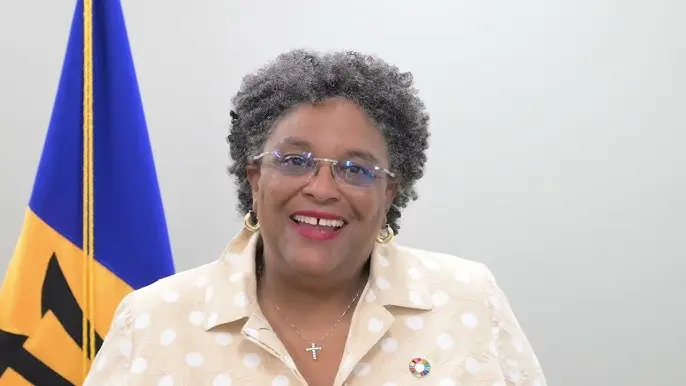
Roseau: Mottley from Barbados is slated to be the featured guest speaker at Dominica’s most anticipated rally on June 1, an event marking the DLP’s 70th anniversary.
Her planned appearance has drawn criticism from an opposition-aligned group in Dominica, the Electoral Reform Coalition (ERC), which called it “highly inappropriate” given Mottley’s current role as Chair of CARICOM.
However, a survey indicates that a strong majority of Dominicans do not share the ERC’s concerns. Most respondents, about three in four understand that Mottley is attending the DLP rally in her personal capacity as a party leader and regional friend, not as an official CARICOM representative. In other words, the public widely views her visit as a private show of solidarity rather than any governmental intervention.
Many locals are enthusiastic about Mottley’s visit and dismiss the notion that it constitutes outside interference.
“Mia is more than welcome here, she’ll be greeted with open arms by a sea of red at the rally,” predicted John Alexander, a resident of Dublanc, referencing the DLP’s signature red colors.
“Everyone knows she’s coming as a friend, not in any CARICOM capacity, so there’s no issue.” The prevailing sentiment from the survey and street interviews is that Dominicans see nothing improper about Prime Minister Mottley supporting a fellow Caribbean nation’s celebration in a personal role. It falls outside her CARICOM duties, so accusations of breaching regional protocol appear overblown.
Regional Leaders Satisfied with Electoral Reform
Beyond the debate over Mottley’s attendance, the same opposition elements have been raising alarms about Dominica’s recent electoral reform legislation. These reforms three new bills modernizing the election system were passed by Parliament in March after discussion.
The government can point to a thorough process: the legislation was developed based on recommendations from Sir Dennis Byron (former president of the Caribbean Court of Justice) and was reviewed by relevant stakeholders since his report in June 2023. In fact, during the parliamentary debate even one opposition lawmaker acknowledged the reforms were long-needed, noting the issue had been an “ongoing debate”.
Opposition member Delbert Paris ultimately voted in favor of the bills and admitted the new law “contains important provisions that step in the right direction, including cleaning the voters’ list and enhancing transparency”. This rare cross-party support underscores that the reform was well considered and broadly beneficial.
Regionally, several leaders have signaled their approval or acceptance of Dominica’s electoral updates. Not a single CARICOM head of government has publicly objected to the reform measures a strong indication that the region is satisfied the changes were handled properly. On the contrary, Dominica is being quietly commended in some regional circles for proactively strengthening its democratic processes. The absence of criticism from neighboring governments amounts to a nod of confidence in the legitimacy of the reform.
Put simply, there is no regional outcry, the reforms are regarded as Dominica’s sovereign business, properly executed. Government officials in Roseau stress that the legislation was duly enacted by an overwhelming parliamentary majority and can withstand scrutiny. They note that claims of any irregularity are unfounded, pointing out that multiple government and opposition members contributed to the debate, debunking the notion that the bills were “bulldozed” through without input. All evidence suggests the electoral reform was done by the book, leaving little for fair-minded critics to fault.
Opposition Criticized for Tarnishing Dominica’s Image
If anything, the biggest source of controversy now is the opposition’s own behavior. Dominica’s opposition forces chiefly the United Workers Party (UWP) and allied groups like the ERC are widely seen as weak and unpopular with almost no representation.
Lacking numbers and public support, they have increasingly turned to high-profile stunts and allegations in an attempt to stay relevant. Prime Minister Roosevelt Skerrit has warned that he “will not allow opposition forces to weaken the country” through manufactured crises.
He accused them of pretending to “care more about democracy” while really just undermining Dominica’s stability for political gain. Many citizens agree with this assessment and are frustrated by what they view as the opposition’s destructive tactics.
On the streets of Roseau and other towns, people voice concern that the constant negative campaigns are doing more harm than good. “It’s as if the opposition will create problems even when none exist, just to get attention,” said Melissa James, a schoolteacher in Roseau.
“By spreading these false alarms and defaming Dominica, they’re giving our country a bad name in the region.” Residents argue that writing accusatory letters to international bodies and attacking visiting allies like Mottley only serves to tarnish Dominica’s reputation abroad.
“The opposition is making other Caribbean leaders think Dominica isn’t a nice country, and that’s just wrong,” added James, shaking her head. “We have our issues like any nation, but dragging our country’s name through the mud for political theatre is irresponsible.” There is a growing sentiment that the opposition’s creativity in stirring controversy without thinking of the wider consequences is backfiring. Instead of gaining support, they risk isolating Dominica by casting it in a negative light.
Dominicans from all walks of life appear to be rallying behind their government on these issues. The survey results and on-the-record comments reflect a populace that welcomes Mia Mottley’s friendly visit and trusts the integrity of the electoral reforms. The real damage, many believe, comes not from a Caribbean ally joining a rally, but from an opposition willing to poison the well.
Assertions that Dominica’s democracy is in peril find little traction domestically when tangible evidence points to the contrary. By most accounts, the country remains on a stable path – and its people are keen to safeguard Dominica’s good name against undue alarmism.

Anthony Morris covers stories related to politics and regional developments. His in-depth reporting about governance and reforms makes him stand out in regional journalism, with a deep analysis of political trends and their impact on Caribbean communities.