



Last Updated on March 17, 2023, 7:52 AM AST by Anthony Morris
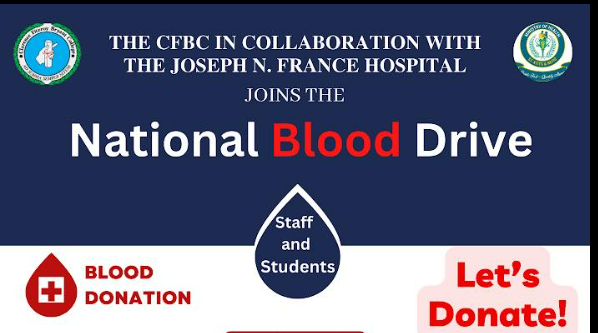
The Ministry of Health of St Kitts and Nevis, under the leadership of Dr Terrance Drew, is holding a National Blood Donation Drive in collaboration with the Clarence Fitzroy Bryant College and the Joseph Nathaniel France General Hospital. The national blood donation drive is a measure taken up by the Ministry to encourage the blood donation drive in the country.
The Minister of Health visited the JNF General Hospital earlier in February for the same objective. Currently, CFBC has joined the Joseph N France General Hospital in the National Blood Drive. They have urged the members of their staff to participate in the initiative by the Ministry of Health.
As per the information shared by the responsible authorities, the blood donation camps will be set up at the Main Campus of Clarence Fitzroy Bryant College (CFBC) at Burdon Street in Basseterre from April 11 to April 14, 2023. The blood donation will start at 9:00 AM on all the days of the National Blood Drive.
The Clarence Fitzroy Bryant College (CFBC) has laid down the requirements for the participating individuals in the Blood Donation initiative.
- The participants of the initiative must carry a valid picture ID
- They must be aged between 17-65 years old.
- If the volunteer is under 17, they must bring a consent form signed by a Parent or Guardian.
- The Minimum weight of the volunteer must be 110lbs (50 kilograms)
- The volunteer must eat a healthy meal at least 1 hour before donating blood
- The volunteer should drink lots of fluids, especially water, before donating
The CFBC has also specified the Don’ts of blood donation in their guidelines. According to the specifications,
- A volunteer must not consume alcohol before donating
- A volunteer, similarly, can not indulge in smoking before donating
The Blood donation drive will help the hospitals in St Kitts to maintain a reasonable stock of blood products so that they can use them in the situations of emergency

Anthony Morris covers stories related to politics and regional developments. His in-depth reporting about governance and reforms makes him stand out in regional journalism, with a deep analysis of political trends and their impact on Caribbean communities.