





Last Updated on December 10, 2019, 4:08 AM AST by Anthony Morris
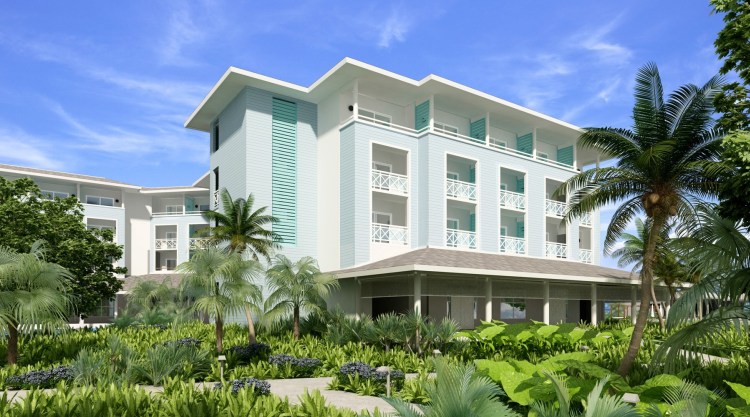
A new five-star hotel inaugurated this week in the northerly group of keys of Villa Clara, in the heart of Cuba. The Grand Sirenis Cayo Santa María is the latest luxury amenity of that traveller stop is one of the many demanded places in the island.
The hotel, relating to the Spanish chain Sirenis Hotels & Resorts, has 633 rooms― out which around 612 double rooms and 18 junior suites and three full suites. There is an amenity of two kilometres long fine sandy beach. The place is fulfilling all the accommodation demands of tourists coming from around the world.
In addition,it offers its customers an structure that connects a Caribbean style with modern finishes, with fresh, modern and utilitarian lines, as well as an offer of popular Cuban cookery and diverse international proposals.
There are two main buffet restaurants along with four theme restaurants and also snack, seven and barbeque bars.
Other amenities of the resort include a sports club, gym, tennis courts and around four large swimming pools. Visitors can also dive in the coral reefs nearby.
This is currently Cuba’s high season for tourism, a crucial moment for this sector, one of the driving forces of the Cuban economy. At the end of December, the island’s tourism authorities expect to receive about 4.3 million visitors, less than the 4.7 million in 2018 and the 5 million projected earlier this year, as a result of Washington’s sanctions, among them the prohibition of the visits by U.S. cruises.
Given this scenario, the Cuban Ministry of Tourism has sought to reaffirm traditional issuers, such as Canada, and strengthen emerging markets such as Russia, China and Latin America. In addition, it has maintained its investment pace, repairing hotels and building others for this and the next seasons.
The completion of some 4,000 rooms was projected for this year, to surpass an entirety of 70,000 and by 2020 the plan anticipates the establishment of another 4,200, an inclination that differences with the decrease in hotel occupancy rate recorded in the first six months of 2019. In that period the occupancy rate was 43.6%, plus three percentage points below the figure of the previous year (46.8%), while income grew slightly (100.2%) in this period, according to official figures.

Anthony Morris covers stories related to politics and regional developments. His in-depth reporting about governance and reforms makes him stand out in regional journalism, with a deep analysis of political trends and their impact on Caribbean communities.