



Last Updated on December 28, 2019, 8:48 AM AST by Anthony Morris
The United States Friday said Trinidad and Tobago citizens with effaced contraband convictions might not indeed be allowed a visa to travel the North American country as Port of Spain initiated the process of having people jailed for the possession of little amounts of marijuana freed.
Attorney General Faris Al Rawi last week reached the High Court to initiate the process to clear an approximated 100 convicts who had been detained for owning tiny amounts of marijuana in protection with the resolution by the Trinidad and Tobago Parliament to revise the Dangerous Drugs Act to allow for the decriminalisation of marijuana for recreational and therapeutic goals.
Under the bill, which passed into force on December 23, a person could have 30 grammes of marijuana outwardly concern of being detained and indicted.
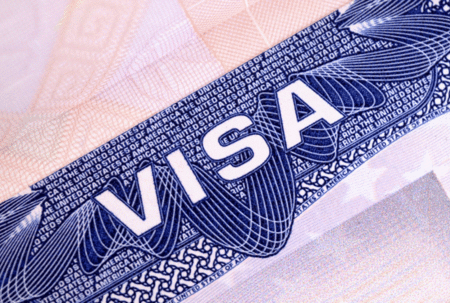
In a statement, the US Embassy here said that the enactment of the Dangerous Drugs (Amendment) Bill 2019 into Trinidad and Tobago law “does not excluded persons with expunged sentences from revealing such data on visa forms.
“Beneath US immigration law, visa aspirants who have ever been sentenced or detained for any offence, including drug-related offences, however necessity reveal that information to US executives when they apply for a US visa.”
Washington said “previous arrests and convictions, despite if expunged, could still show visa ineligibility”, adding “failure to disclose detentions or convictions could direct to visa ineligibilities”.
Trinidad and Tobago is among several Caribbean countries that have lately tabled enactment acknowledging for the decriminalisation of marijuana for medicinal objectives.
The Keith Rowley administration has also tabled the Cannabis Control Bill that will cater for the licensing, limitation and examination of the formulation of businesses running within the division. The bill is now before A Joint Select Committee of Parliament which has to report by February subsequent year.

Anthony Morris covers stories related to politics and regional developments. His in-depth reporting about governance and reforms makes him stand out in regional journalism, with a deep analysis of political trends and their impact on Caribbean communities.