

Last Updated on March 21, 2023, 7:36 AM AST by Anthony Morris
The Ministry of Youth Empowerment of St Kitts and Nevis has announced that they will celebrate Down Syndrome Day by wearing brightly coloured or mismatched socks. The Ministry has urged the people of St Kitts and Nevis to support the initiative by attending the celebratory festivities on the occasion.
World Down Syndrome Day is celebrated on March 21 every year to commemorate children born with an extra copy of Chromosome 21. Children who are born with this special condition have distinct facial appearances. They experience intellectual disabilities and developmental delays. The children may also It may be associated with thyroid or heart diseases.
The government of St Kitts and Nevis, in collaboration with the Ministry of Youth Empowerment, Ageing & Disabilities is hosting a special event to commemorate the occasion. Under this, the attendants of the event will come together wearing brightly coloured or mismatched socks to acknowledge the genetic disease which affects less than one per cent of babies born in the world every year.
As per the Ministry of Youth Empowerment, Ageing & Disabilities, The idea of wearing brightly coloured or mismatched socks was created because chromosomes (persons with down syndrome are born with one extra copy of one of these chromosomes, that is, chromosome 21) are shaped “like socks”.
The 2023 edition of the commemoration of the event is being held under the theme of “With us not for us”. The theme focuses on making people aware of the human rights-based approach to disability – the right to be treated fairly, have the same opportunities as everyone else, and have the freedom for people to make their own choices.
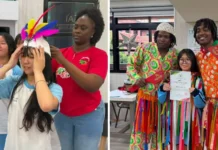
The Ministry of Youth Empowerment shared several images on their social media account where the people were seen coming together to celebrate the World Down Syndrome day in a previous celebration. They were seen wearing brightly colored and mismatched socks.

Anthony Morris covers stories related to politics and regional developments. His in-depth reporting about governance and reforms makes him stand out in regional journalism, with a deep analysis of political trends and their impact on Caribbean communities.