






Last Updated on November 27, 2024, 6:30 AM AST by Anthony Morris
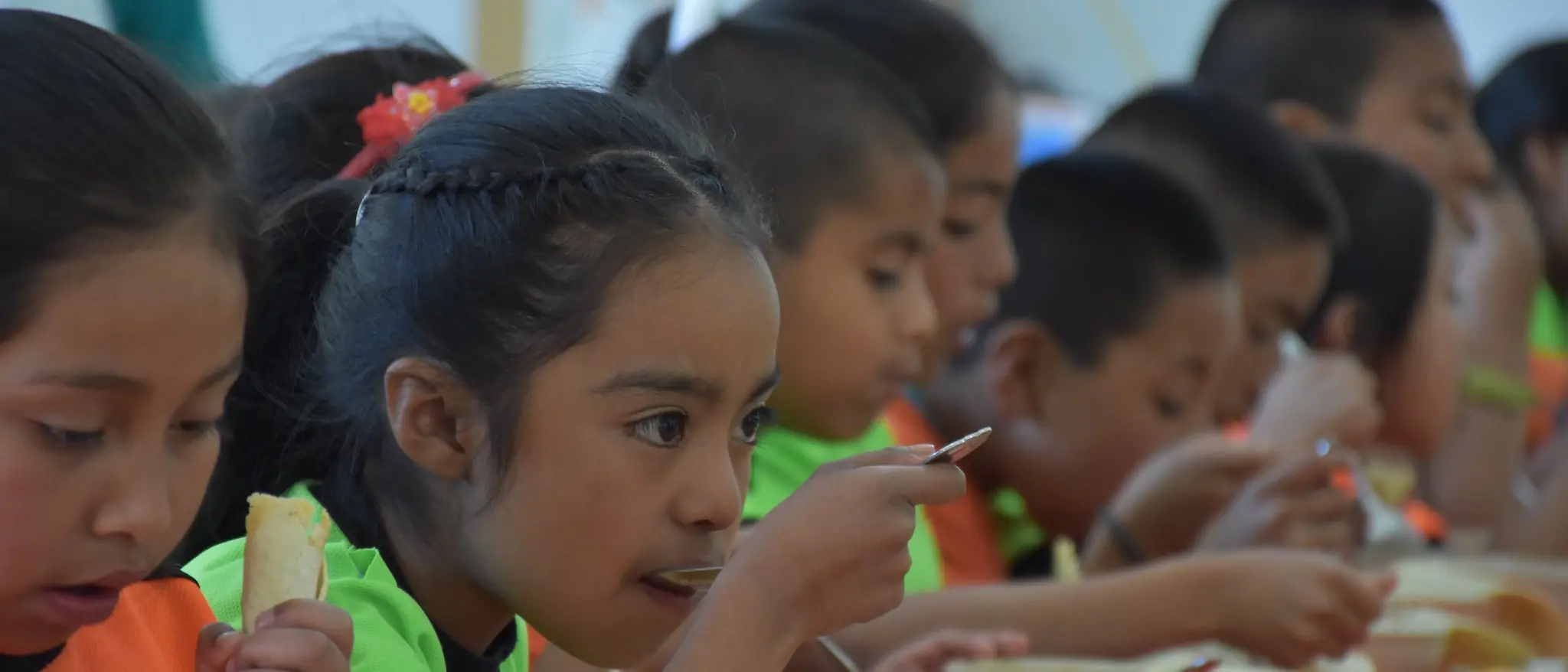
Panama: Seventeen countries from across the Caribbean and Latin America have united and officially joined the Sustainable School Feeding Network (RAES) to strengthen policies in this sector.
The countries that have joined the RAES include Belize, Brazil, Bolivia, Chile, Colombia, Cuba, El Salvador, Ecuador, Honduras, Guatemala, Paraguay, Peru, the Dominican Republic, Saint Lucia, Saint Kitts and Nevis, Suriname, and Uruguay.
These nations, altogether, are nearly representing 81 million students who are standing to benefit from this initiative.
Th Sustainable School Feeding Network is created by the Government of Brazil in collaboration with Food and Agriculture Organisation (FAO) to provide support to the countries in implementing the school feeding and nutrition program.
The Government of St Kitts and Nevis shared highlight of the first in-person meeting of the member countries which was held to discuss the next steps for RAES in Panama City on November 21-22, 2024.
According to the information, during the meeting, the country representatives were provided with their official membership certificates. The meeting also saw discussion on key topics that could help advance the regional agenda.
As a part of their membership, the RAES member countries signed a declaration to advance school feeding programs. With this agreement, the countries strive to work collectively in the long term to expand the student coverage, improve school infrastructure, develop regulations, implement food and nutrition education initiatives and more.
This event also marked the commencement of the process to regulate RAES that define responsibilities and future actions that are to be taken in order to strengthen these programs across the region.
The Deputy Director General of FAO Mario Lubetkin underscored the impact that the sustainable school feeding programs will have in promoting more inclusive and resilience in terms of social, economic, educational and environmental sector.

Anthony Morris covers stories related to politics and regional developments. His in-depth reporting about governance and reforms makes him stand out in regional journalism, with a deep analysis of political trends and their impact on Caribbean communities.