

Last Updated on July 17, 2020, 7:24 AM AST by Anthony Morris
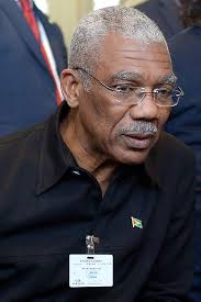
The United Kingdom is under pressure to join the United States in imposing sanctions on the president of Guyana, David Granger, as he has refused to stand after a disputed election which was held in March.
Guyana is a former British colony, which borders Venezuela, it has been locked in a legal and political impasse since an election recount found that David Granger, the president, had lost by 15,416 votes.
The discovery of crude oil off the country’s coast is destined to transform the economic fortunes of Guyana and has raised the political stakes even higher in the country.
After the recount, Keith Lowenfield, the chief executive of electoral commission of Guyana, disqualified 120,000 votes, which are nearly a fifth of those the total number of votes cast, and handed the contested victory to Granger.
Guyana’s final appellate court, the Caribbean court of justice, overruled Lowenfield last week.
However, now another legal challenge has come forth in an attempt to prevent the commission from declaring the defeat of Granger.
On Tuesday, Mike Pompeo, the US secretary of state, said that it was time for Granger to step aside and announced travel bans against those who are undermining democracy in Guayna, or are complicit in doing so.
He said that Guyana was on “a non-democratic trajectory”.
Pompeo’s move was endorsed by the US Senate foreign relations committee. Canada also said that it would use all the tools which it has at its disposal to demand a transparent and Swift conclusion to the election process in Guyana.
Two UK Foreign Office ministers, Liz Sugg and Tariq Ahmad have made several calls for Granger to accept the result of the elections.
The Foreign Office has taken a gradual approach towards the matter and is hoping for a reconciliation between the APNU+AFC, and the rival PPP/C, believing that the president would eventually stand down if he would run out of viable options in his attempt to stay in power.

Anthony Morris covers stories related to politics and regional developments. His in-depth reporting about governance and reforms makes him stand out in regional journalism, with a deep analysis of political trends and their impact on Caribbean communities.