



Last Updated on March 17, 2020, 4:35 AM AST by Anthony Morris
In the times when coronavirus is spreading all over the globe and has been declared to be a pandemic, the numbers of coronavirus cases in many countries are in hundreds or thousands.
Amid all this chaos, four patients testing positive for COVID-19 might not seem to be a huge deal. However, Trinidad and Tobago is in not in any mood to take chances so it has decided to close its borders
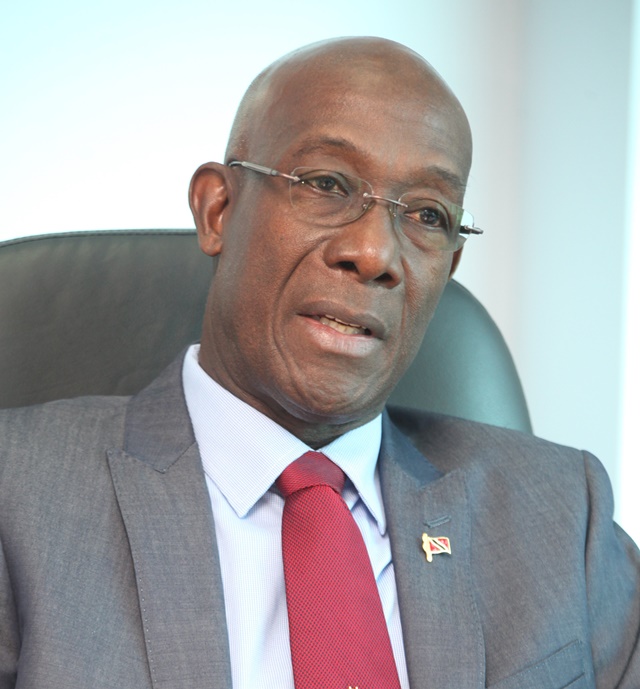
Prime Minister Keith Rowley has explained his administration’s strategy in dealing with this pandemic is to avoid levels of infection that could overcome the health care system.
The Prime Minister said that the current situation is of crisis and emergency, and he also made it very clear that there would be no solutions to the crisis without inconvenience.
The Prime Minister informed the country about additional measures that have been put in place to control and mitigate the spread of coronavirus in the country.
He said that the hardest, the most drastic and perhaps the most essential measure is the decision to close the country’s borders for everyone except Trinidad and Tobago nationals for 14 days. The border would be closed from midnight local time on March 17.
Further, any exceptions to this rule would need prior authorisation from the Ministry of National Security. Also, all nationals who would be re-entering the country would be required to self-quarantine themselves for 14 days.
Other additional mitigation measures include the immediate closing of all dining-in restaurants and bars, though establishments will still be allowed to provide delivery.
Gathering in groups of more than 25 people is being actively discouraged.
The Prime Minister made the point that people need to take responsibility and follow the recommended guidelines. The people should refrain from such situations where measures have to be enforced.
He explained that personal conduct plays a significant part in the success of the Government’s efforts to mitigate the spread of the COVID-19.

Anthony Morris covers stories related to politics and regional developments. His in-depth reporting about governance and reforms makes him stand out in regional journalism, with a deep analysis of political trends and their impact on Caribbean communities.