




Last Updated on March 22, 2020, 8:51 AM AST by Anthony Morris
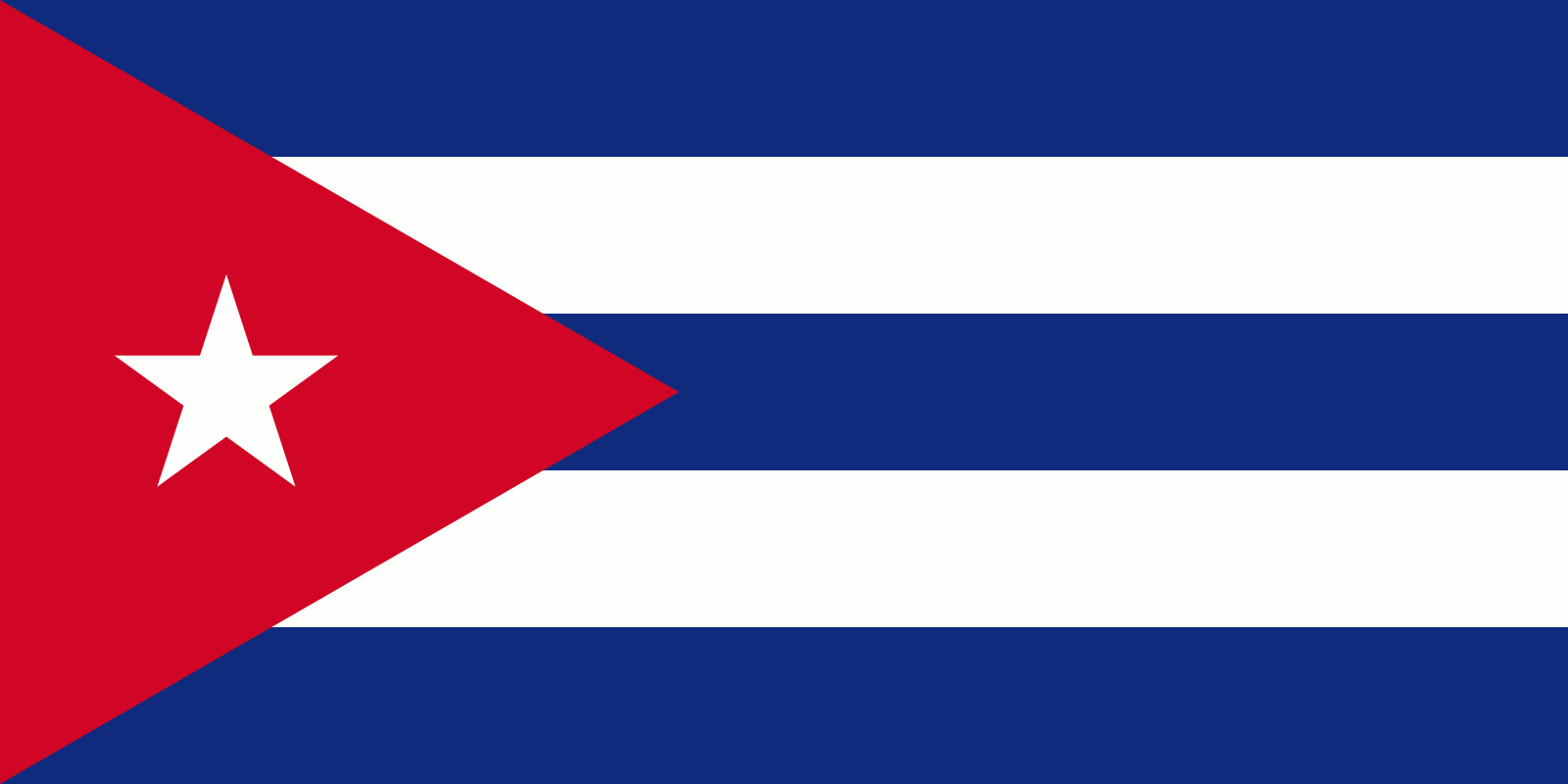
In the wake of the coronavirus pandemic, Cuba has announced the closure of its borders to non-residents. Although, the country had tried to keep the borders open previously to keep the tourism industry in the country alive.
President Miguel Diaz-Canel said that the entry at the country’s borders would be regulated, and only Cuban nationals will be allowed to enter.
The President said this after he gave an update that the number of confirmed cases of coronavirus in Cuba had risen to 21, with one Italian tourist dead already.
President Miguel Diaz-Canel also said that the foreigners in Cuba would be allowed to leave and the Cubans abroad could come back.
It is noteworthy that the Cuban economy is based majorly on the tourism industry as the country is economically crippled due to the sanctions imposed by the US.
The measure of border closure would be coming into effect on Tuesday and would be lasting for around for 30 days. Currently, there are 60,000 tourists in Cuba.
Prime Minister Manuel Marrero said that there would be no guests inCuba next week as entry would not be allowed to foreigners. The Prime Minister also added that almost all hotels in the country would be closed for some time.
UP until now, Cuba had avoided the trend of closing the borders for foreigners which had been adopted by several nations in the Caribbean. Yet, Cuba also had to implement the measure to keep the people of the country safe.
The lack of drinking water and sanitation facilities has invited heavy criticism for the Government from a worried population where 20 per cent of the total population are the people over 60 years of age.
The people said that there is a lack of both water as well as soap.
The scarcity of soap has hit the country when the need of the hour is to maintain cleanliness and stay sanitized.
Washing hands regularly has been recommended by the health authorities all over the world to stay safe from the globally spread coronavirus and to avoid contracting it.

Anthony Morris covers stories related to politics and regional developments. His in-depth reporting about governance and reforms makes him stand out in regional journalism, with a deep analysis of political trends and their impact on Caribbean communities.