





Last Updated on April 27, 2021, 6:44 AM AST by Anthony Morris
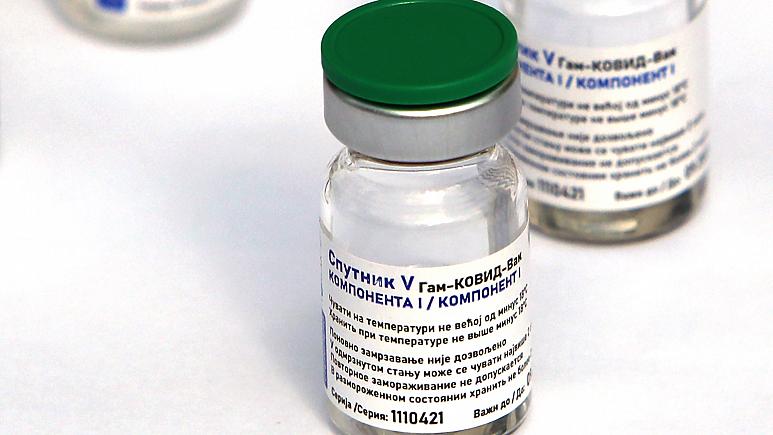
On Monday, Brazil’s health administrative agency (Anvisa) rejected the use of the Russian-made Sputnik V vaccine citing insufficient data.
“Due to the lack of regular and reliable data, Anvisa’s Board of directors unanimously decided not to support the exceptional introduction of the Russian Sputnik V vaccine.
Fourteen of the country’s in need have already sent doses of the vaccines.
Anvisa said it had no or no reliable data on the vaccine’s “quality control, safety and efficacy” and that an investigation mission sent to Russia was also unable to “identify the manufacturers of the biological pharmaceutical input used in the creation of the Russian
vaccine.”
“Nor were any manufacturing conditions which are identified that demonstrate that the products are consistently produced and controlled,” it went on, also flagging that its inspection team “was denied entrance to the facilities of Gamaleya, the institute that received the vaccine.”
“We will never allow millions of Brazilians will be exposed to products without proper verification of quality, safety and efficacy or, at the very least, given the serious situation we are going through, that there is a favourable risk-benefit ratio,” Anvisa President Antonio Barra Torres said.
Brazil has recorded nearly 392,000 COVID-19 death since the beginning of the pandemic — the world’s second-highest death toll after the United States. More than 14.3 million people have also got the virus, according to a tally by Johns Hopkins University.
Sputnik V rejected the decision, writing on Twitter that the wrong opinion is “unfortunately, of a political nature” and has “nothing to do with access to data or science”.
“The United States Department of Health, in its 2020 annual report
several months ago, openly said that the United States health attaché ‘persuaded Brazil to reject the Russian COVID-19 vaccine’,” it added.
According to the producer, the vaccine has now been given to 60 countries worldwide, including the European Union part states, Hungary and Slovakia.

Anthony Morris covers stories related to politics and regional developments. His in-depth reporting about governance and reforms makes him stand out in regional journalism, with a deep analysis of political trends and their impact on Caribbean communities.