





Last Updated on October 8, 2020, 8:38 AM AST by Anthony Morris
On Thursday, Oil rose above $42 a barrel supported by the output shutdowns in the United States Gulf of Mexico and the prospect of more supply losses in Norway, and by hopes for some US coronavirus relief aid.
Oil and gas workers withdrew from offshore United States Gulf production facilities as there was a forecast that Hurricane Delta could intensify into a powerful, Category 3 storm. Around 1.5 million barrels of daily output was halted.
Brent crude rose 59 cents, or 1.4%, to $42.58 a barrel by 0812 GMT, after it fell by 1.6% on Wednesday. The United States West Texas Intermediate (WTI) crude added 45 cents to $40.40 after it fell 1.8% on Wednesday.
An analyst at brokerage OANDA, Jeffrey Halley said that if Delta stays weak, the oil rally could quickly run out of steam.
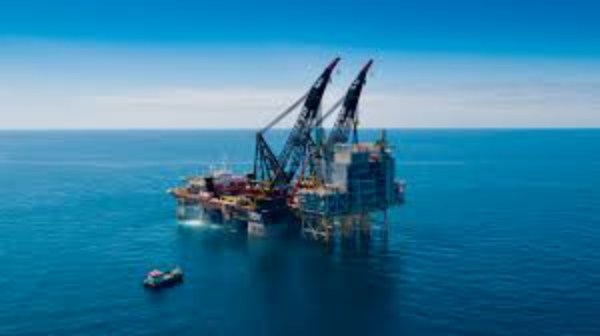
Oil has also gained support from the prospect of more production outages in the North Sea due to a workers’ strike. The Johan Sverdrup field, which is the North Sea’s largest, would have to shut its production unless the strike ends by October 14.
The production losses offset the concerns regarding weak demand, an increase in US crude inventories as reported by the Energy Information Administration and rising coronavirus case.
Renewed optimism regarding some US coronavirus relief aid has also supported the market.
President Donald Trump wrote on Twitter after shutting down talks over a larger stimulus deal that the Congress should pass money for small businesses, airlines and stimulus cheques for individuals, fuelling the hopes for relief.
Oil collapsed to historic lows in April because of the coronavirus crisis, with Brent falling to a 21-year low below $16. A production cut which was led by the Organization of the Petroleum Exporting Countries helped in boosting the prices.
OPEC faces a new challenge from the rising output in Libya, and an OPEC member has also exempted from cutting output.

Anthony Morris covers stories related to politics and regional developments. His in-depth reporting about governance and reforms makes him stand out in regional journalism, with a deep analysis of political trends and their impact on Caribbean communities.