
Last Updated on January 9, 2020, 3:07 AM AST by Anthony Morris
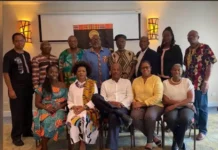
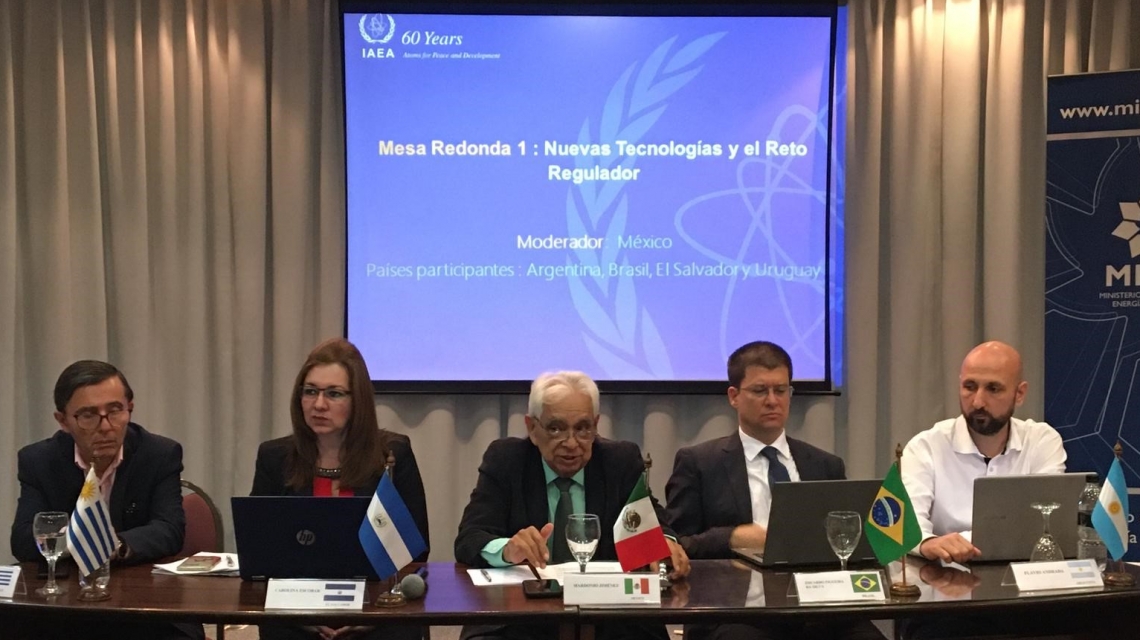
Under a continuous provincial TC project, agents of 15 Member State administrative bodies in Latin America and the Caribbean and the Ibero-American Forum of Radiological and Nuclear Regulatory Agencies (FORO) met from 2 to 6 December in Montevideo, Uruguay, to distinguish and investigate difficulties they face in the execution of their duties—from deficient HR to the usage of new benchmarks and strategies—so as to plan progressively compelling activities through the IAEA’s specialized collaboration (TC) program.
The employments of radiation sources in offices and exercises must be dependent upon the most noteworthy radiation and atomic wellbeing principles. Controlling wellbeing is a national obligation, yet the IAEA works intimately with its Member States to help the foundation of compelling, free, economic and suitably resourced national administrative bodies.
Part State controllers going to the December meeting had a chance to recognize and examine administrative difficulties, both new and persevering. Every Member State gave a review of their administrative status, including explicit insights about the hierarchical structure of their administrative body, the laws and guidelines affirmed or a work in progress, the human and money related assets accessible to complete the built-up obligations, just as the procedures followed for the assessment and approval of offices and exercises.
“The advancement accomplished in the district as of late has been critical: We would now be able to state that every single taking part nation in the undertaking have built up a useful national administrative body, yet with various degrees of improvement,” said Ronald Pacheco, Head of the IAEA’s Control of Radiation Sources Unit and Technical Officer of the recently propelled task.
Following the partner introductions, and after consequent productive gathering discourses, the 15 gathering members had the option to distinguish the normal, suffering difficulties looked by their national administrative bodies and to think about proposed provincial activities to address enduring administrative needs. These difficulties include, among others, the presentation of new advances, staff the executives and a need to reinforce incorporated administration frameworks for centre administrative capacities.
The discoveries of the gathering have been converted into solid undertaking exercises which will be executed in the 2020–2021 specialized collaboration burn through a recently affirmed provincial project[2]. These exercises will concentrate on building up and improving human limits in administrative bodies, just as reinforcing procedures and methodology to control radiation sources utilized in medication, industry and research, following a reviewed approach.
The new specialized collaboration task will give a system to the conveyance of progressing and consistent help to the Member States in the zone of radiation wellbeing. While the December meeting concentrated on difficulties looked in national administrative bodies, the new venture will likewise deliver matters identified with open and ecological radiation security, crisis readiness and reaction (EPR), instruction and preparing in radiation assurance, and transport wellbeing.
“Agents from the administrative bodies partaking in the gathering perceived the significant commitment of the IAEA in the foundation of a viable administrative program and encouraged the Agency to keep giving specialized participation help to confront current difficulties,” said Alba Guillen, Designated Team Member of the territorial undertaking from Cuba.

Anthony Morris covers stories related to politics and regional developments. His in-depth reporting about governance and reforms makes him stand out in regional journalism, with a deep analysis of political trends and their impact on Caribbean communities.