



Last Updated on May 5, 2020, 10:08 AM AST by Anthony Morris
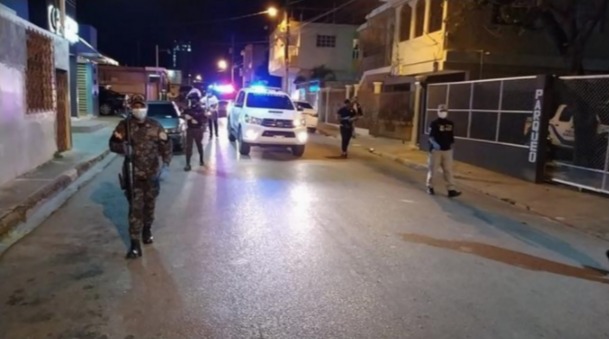
The Minister of the Presidency, Gustavo Montalvo, on the morning of April 21, announced that up to the morning of that day, around 45,308 citizens had been arrested for the violation of the provisions of the curfew, which has been implemented in the country since March 20.
Since then, around 9,712 people have been arrested for being on the streets between the times when the Government order reigns, according to police reports from April 21 to the morning of this Saturday.
55,020 citizens in total have been arrested for not following the curfew.
On March 20, during the early hours of the afternoon, the President of the Dominican Republic, Danilo Medina had imposed a curfew through Decree 135-20, the curfew would start at 8 p.m. on that day until 6:00 a.m. in the next morning and had been imposed as an effort to curb the spread of the coronavirus in the Republic.
The time of the start of the curfew imposed by the Government was changed on Friday, March 27 and it was decided that the instead of eight in the evening, the curfew would be f=starting from five in the afternoon.
That Government provision of the curfew was to end on Friday, April 2 but has been extended three times, the last one being announced last Thursday for 17 days from this coming May 1.
The curfew is the measure which a Government takes in exceptional situations to limit the movement of people on the streets and crowds in the public spaces.
The persons who violate the provisions of curfew may be arrested and detained by the authorities and may be taken to a barracks or detachment.
Usually, these measures are taken in the times of wars, natural disasters, or circumstances which could result in conflicts or revolutions.
However, it is a fundamental right of the people, which has been enshrined in the Constitution of the Republic and the only way to suspend that right is as the President has done after the National Congress approved the state of emergency throughout the country.

Anthony Morris covers stories related to politics and regional developments. His in-depth reporting about governance and reforms makes him stand out in regional journalism, with a deep analysis of political trends and their impact on Caribbean communities.