





Last Updated on October 17, 2023, 12:51 PM AST by Anthony Morris
St Kitts and Nevis is at risk for a Dengue outbreak. The Caribbean Public Health Agency (CARPHA) recorded an up surge from the laboratory confirming the outbreak of Dengue with three countries at high risk which including St Kitts and Nevis. Dengue is a vector born disease which is caused by the bites from mosquitos that has Dengue virus.
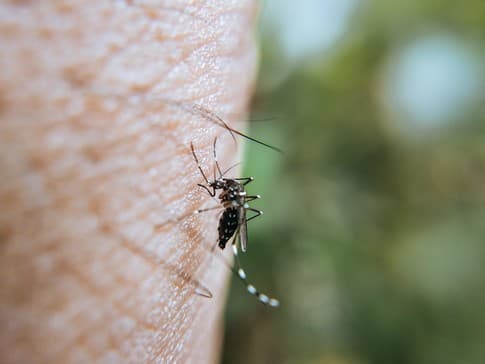
The federation of Saint Kitts has recently experienced rainfall and the increase in rainfall is associated with the increase in mosquito diseases such as Dengue, zika and chikungunya. The Dengue fever is caused by the Dengue virus and it is transmitted by the female Aedes Aegypti.
Since St Kitts and Nevis is expecting high rainfall, it has left it at a high risk of the spread of the dengue virus. The symptoms of the virus usually began 4 to 10 days after beaten by the dengue infected mosquito.
The symptoms of the Dengue virus are as follows:
- High fever
- Headache
- Pain behind the eyes
- Muscle and joint pain
- Skin rush
The sickness can erupts quickly into sever pains if not taken care of at an early stage resulting into more advanced symptoms such as:
- Persistence vomiting
- Mucosal bleeding
- Intense and abdomen pain
It is advised that the affected or infected person should visit the nearest hospital or clinic as soon as they experience the first mild symptoms in order to avoid sever pains and its spread.
Moreover, the details that the St Kitts residence should destroy any mosquitos habitats by removing the breeding sources such as long grass and contaminated water by treating it with chemicals.
In order to prevent the spread of Dengue virus, the St Kitts residence are advised to follow the following precautions:
- Protecting yourselves by using personal repellents on skin and clothes,
- Use bed nets if the adults if the adult mosquito are prevalent
- Wear protective clothing like pants and long -sleeved tops
- Protect yourselves by using screens door and windows
- Protect yours schools and offices by disposing of all bottles, cans and water holding containers in an approved refused bin with appropriate covers
- Keep lawn and vegetation trimmed
- Change and replenish water in vase daily
- Store al use and new tyres in a dry place

Anthony Morris covers stories related to politics and regional developments. His in-depth reporting about governance and reforms makes him stand out in regional journalism, with a deep analysis of political trends and their impact on Caribbean communities.