




Last Updated on August 17, 2020, 10:04 PM AST by Anthony Morris
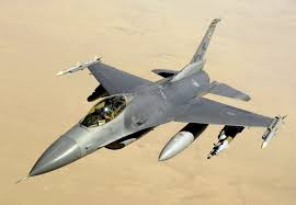
Taiwan will receive 66 new F-16 fighter jets which are made in America in the biggest arms sale to the self-governing island in decades.
The deal was finalized on Friday, and it came after increasing pressure on the island by China, as Beijing considers the island to be an inseparable part of the territory of China.
The announcement of the sale of F-16 jets was made on Friday under the contacts updated section of the website of United States Defense Department.
The post said that the US Air Force was awarded a contract to the maker of the F-16, Lockheed Martin, for 90 planes as part of the US foreign military sales.
However, no customer was named for the purchase, but a US State Department source has confirmed that an order from Taiwan which was approved by the Trump administration about a year ago was a part of the deal.
The remaining 24 aircraft are expected to go to Morocco.
The final deliveries of the aircraft are expected by 2026.
The new F-16s, which are also known as the Viper or the F-16V, would be made at Lockheed Martin factories in Fort Worth, Texas and Greenville, South Carolina.
The aircrafts will be the latest and upgraded models of the single-engine jet which first flew in the late 1970s with the US Air Force. They would join about 140 others already in the Taiwanese fleet.
When during the last year, the deal was formally approved, it was greeted with strong bipartisan backing from Congress, including from the leading Republican on the House Foreign Affairs Committee and the Democratic chairman.
“The sale of F-16s to Taiwan sends a strong message about the US commitment to security and democracy in the Indo-Pacific,” Democratic Rep. Eliot Engel of New York and Republican Rep. Michael McCaul of Texas said in a joint statement last August.

Anthony Morris covers stories related to politics and regional developments. His in-depth reporting about governance and reforms makes him stand out in regional journalism, with a deep analysis of political trends and their impact on Caribbean communities.