

Last Updated on September 7, 2020, 9:11 AM AST by Anthony Morris
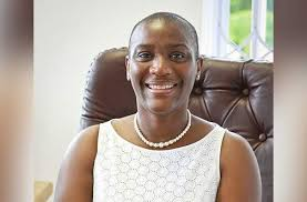
Denise E Antonio, the UNDP resident representative for Jamaica, said that the increased number of women candidates who have contested the last general election held on Thursday is a positive development for the country’s democracy.
She said that she believes that cultivating and harnessing the expertise and talent of both women and men equitably would enrich the development prospects of the island.
She said that women might not only offer themselves for political representation, but they should also be encouraged actively through incentivised policies and programmes to participate in the political process.
According to the 2018 data from the Statistical Institute of Jamaica, with a population of over 2.7 million and more than half of them being females, of the 126 candidates who contested the 18th general election, 30 were women 18 from the Jamaica Labour Party and 12 from the People’s National Party.
Eighteen of them passed the first step to book their seats in the House of Representatives, seven more than the number who were elected in the 2016 polls, which was the first time in at least 25 years when women candidates received a double-digit outcome at the elections.
In the two general elections before 2016, that are 2011 and 2007, only eight out of 21 women and eight out of 22 women candidates, respectively, managed booking their spots in the Lower House.
Antonio said that modest steps count, but we need bolder action.
National Policy for Gender Equality of Jamaica has set a target of 30 per cent of women in the decision-making positions, and they believe that the historic numbers of women who were nominated for the current electoral cycle would move Jamaica closer to attaining the goal.
With the election of the 18 women last Thursday, four for the PNP and 14 for the JLP, Jamaica is just short of the 30 per cent target among Members of Parliament.

Anthony Morris covers stories related to politics and regional developments. His in-depth reporting about governance and reforms makes him stand out in regional journalism, with a deep analysis of political trends and their impact on Caribbean communities.