

Last Updated on August 1, 2020, 7:54 AM AST by Anthony Morris
The high court of Jamaica has ruled on Friday that the demand for a school demand a girl should cut her dreadlocks to attend classes was within the rights of the school.
This surprise decision touched on issues of identity and one of the most recognizable symbols of the Rastafarian culture in Jamaica.
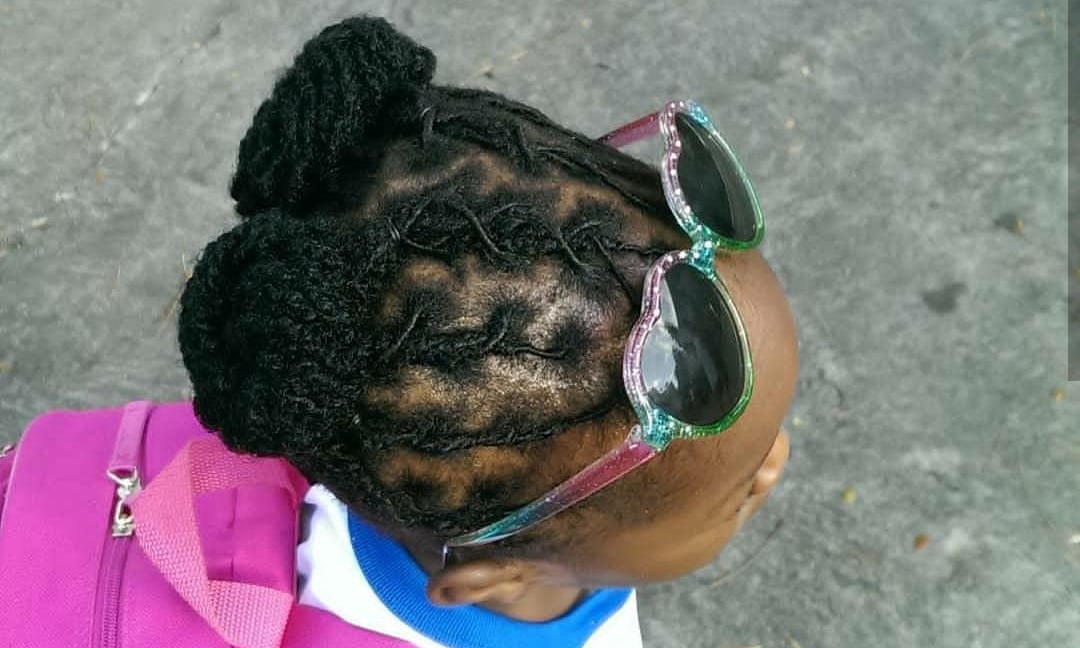
The ruling given by the Supreme Court of Jamaica has ended a two-year-long battle after the girl who was five years old then, was told to cut her dreadlocks for “hygiene” reasons for studying at the Kensington Primary School located in a Kingston suburb.
Jamaicans for Justice, a rights group, had initially given support to the family and said that the order of cutting the girl’s dreadlocks was a denial of the girl’s access to education and her freedom of expression.
Others viewed the court case as a stand against the rules which are being seen as discrimination against the people who have “natural” hair, including the Rastafarians whose dreadlocks are a part of their religious traditions.
Isat Buchanan, the lawyer of the girl and her parents that Dale and Sherine Virgo, the parents of the girl, both wear dreadlocks and they plan to appeal.
Sherine Virgo said immediately after the ruling that she would not cut her daughter’s hair and she added that if they give her an ultimatum again, she will move her daughter.
Virgo’s daughter, who is now seven years old and she is identified in the court papers only as Z as she is a minor, was attending classes at the school after the courts issued an injunction against the Ministry of Education, which allowed her to go to school with her dreadlocks intact.
The girl was home-schooled when the school closed this spring due to the coronavirus pandemic.
Buchanan said that he is more than surprised and the decision is most unfortunate. He added that it is an unfortunate day for Rastafarian people and Black people in Jamaica.”
The father of the girl called the ruling another sign of “systemic racism.”

Anthony Morris covers stories related to politics and regional developments. His in-depth reporting about governance and reforms makes him stand out in regional journalism, with a deep analysis of political trends and their impact on Caribbean communities.