



Last Updated on May 23, 2020, 9:59 AM AST by Anthony Morris
The Guyana Government Friday said it would allow approximately 300 nationals stranded overseas as a result of the border closures due to the COVID-19 pandemic to return to the island.
But the National COVID-19 Task Force (NCTF) which held a special meeting to consider the applications of various groups of Guyanese stranded overseas said the re-entry would apply to nationals who have registered with Guyana’s Ministry of Foreign Affairs via Guyanese Embassies, High Commissions and Honorary Consuls.
“This approval encompasses Guyanese nationals in Trinidad and Tobago, New York, New Jersey, Florida and other states in the United States of America and also in other countries,” the NCTF said in the statement.
It said the approval is strictly subject to several conditions including being applicable “only to national residents in Guyana who are stranded overseas and who registered with the Ministry of Foreign Affairs as at Thursday, May 21 2020; Guyanese nationals in possession of a valid Guyanese passport’, as well as those nationals, meeting “all requirements of the Ministry of Public Health and other relevant ministries and agencies being fulfilled”.
In addition, they will also have to produce the results of COVID-19 tests (PCR with results in the English language) being provided at least 48 hours before their arrival and that the applicants or their employers covering all costs for their return.
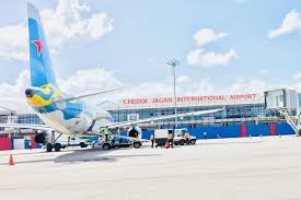
It has also been said by the authorities that all the returning nationals will only be permitted to enter by air and that the seaports would remain closed. The NCTF has re-iterated that no person who would test positive for COVID-19 coronavirus will be permitted entry into Guyana and that all the arriving passengers must undergo the PCR tests and submit the results which come back, which must be in the English language, at least 48 hours prior to their arrival in Guyana.

Anthony Morris covers stories related to politics and regional developments. His in-depth reporting about governance and reforms makes him stand out in regional journalism, with a deep analysis of political trends and their impact on Caribbean communities.