


Last Updated on April 21, 2020, 8:29 AM AST by Anthony Morris
It has been revealed by the theft of thousands of surgical masks in Cuba that how the active black market of the country has quickly adapted to the novel coronavirus pandemic.
More than 4,500 surgical masks kept in around 455 boxes had been stolen from state warehouses in early April and the Cuban state-owned publication Cubadebate had reported regarding the same.
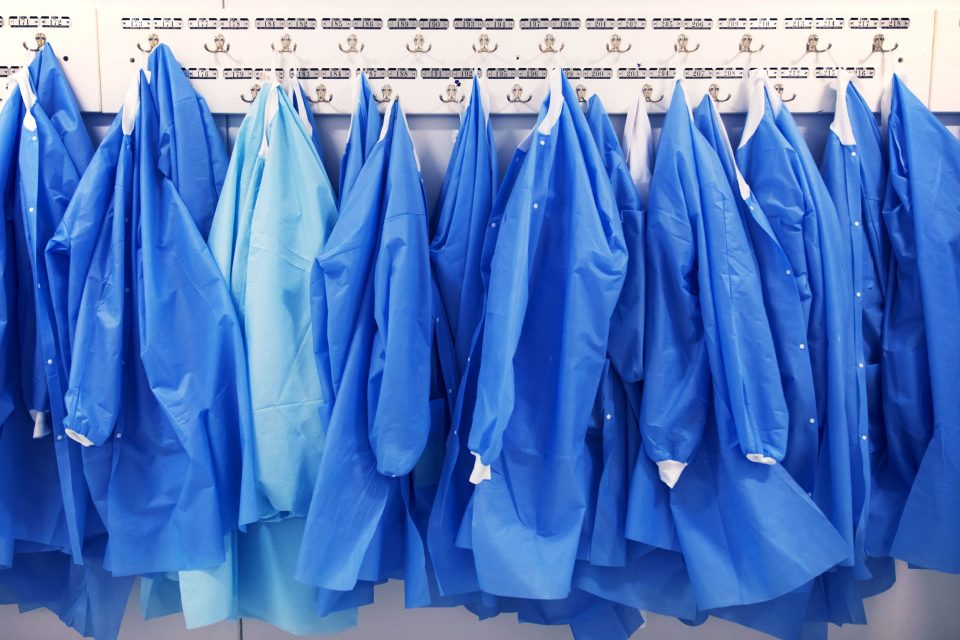
In a search at a house in Villa Clara, almost 3,000 masks had been recovered, along with other medical equipment such as gowns, scalpels, a computer and some other equipment.
Eight persons had been arrested in connection with the theft of these pieces of equipment and included some warehouse employees and also drivers for the public health ministry.
Cuba had 1,087 confirmed COVID-19 cases and 36 deaths due to the virus as of April 20.
Thriving black markets are now adapting swiftly to the high demand for medical supplies during the global coronavirus crisis.
The theft of the masks, occurred one month after the Cuban authorities had confirmed the first cases of coronavirus in the country in early March.
The theft did not surprise the experts, and they pointed out that the black market of Cuba are driven by high demand for goods which are chronically short in supply.
For instance, the diesel theft in Cuba in 2019, as sanctions on Venezuela had sharply cut the island nation’s supplies of oil.
Food, medical equipment and other consumer goods are also being stolen in Cuba and are being resold at much higher prices than the market prices.
Even though the punishment for being caught for theft is severe in Cuba, yet the speculators operate on every level of the country’s economy.
However, the theft of medical equipment seems to be relatively rare in comparison to the theft of other things, such as food and other consumer items.

Anthony Morris covers stories related to politics and regional developments. His in-depth reporting about governance and reforms makes him stand out in regional journalism, with a deep analysis of political trends and their impact on Caribbean communities.