




Last Updated on March 24, 2020, 11:15 AM AST by Anthony Morris
Barbados has become the second country of the Caribbean Community (CARICOM) to admit that there is a noteworthy increase in the number of persons who have tested positive for the coronavirus.
The Government has appealed to the people of the country that they should not panic and that they should follow the guidelines that have been outlined by the health officials.
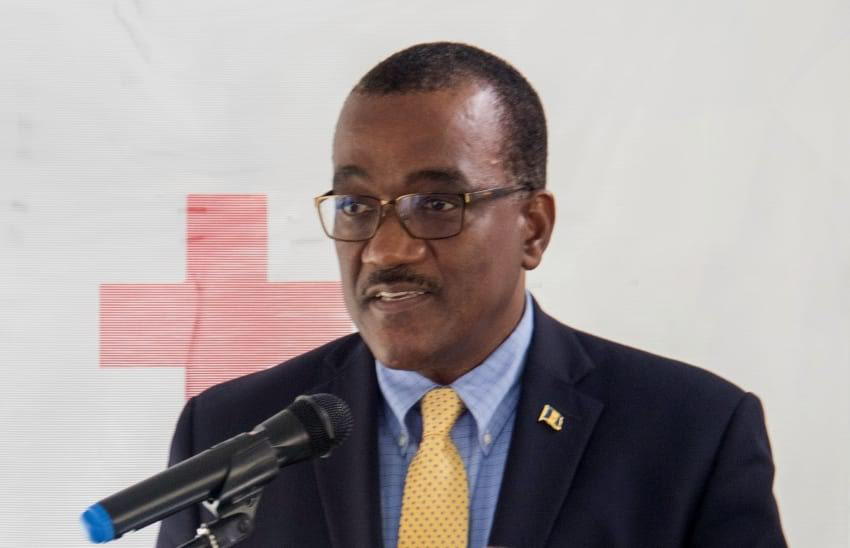
Retired Lt Col Jeffrey Bostic, the Health and Wellness Minister of Barbados said that Barbados now has 14 positive cases of the novel coronavirus which were six on Friday. The seven of the new cases were results of contact tracing. The other person except these seven who tested positive was a visitor.
Earlier, the Health Minister of Trinidad and Tobago, Terrence Deyalsingh said that the number of people who tested positive for the coronavirus has now become 49.
After the confirmation came that 40 out of the 68 persons who had been kept in, quarantine had tested positive for the virus.
Retired Lt Col Jeffrey Bostic said that he had urged the Barbadians to have faith in the health care system and he noted that the health sector of the is strong and good and that the country has the people who would get the job done and ensure the wellness of the people.
He said that he would like to convey it to all the Barbadians that it is natural for the numbers of the confirmed cases to rise continuously, but that is mainly because of all the work that has to be done.
He said that what needs to be done is being done by the public health officials to make sure that all of those persons who might have had direct contact with confirmed cases can be screened.
He said those persons would be screened so that the country can handle the situation.
He reemphasised that once the health authorities can implement the various measures to fight the virus, the figures would rise slowly and that a time would come when the country would be able to contain the situation.

Anthony Morris covers stories related to politics and regional developments. His in-depth reporting about governance and reforms makes him stand out in regional journalism, with a deep analysis of political trends and their impact on Caribbean communities.