


Last Updated on October 21, 2026, 3:47 PM AST by Anthony Morris
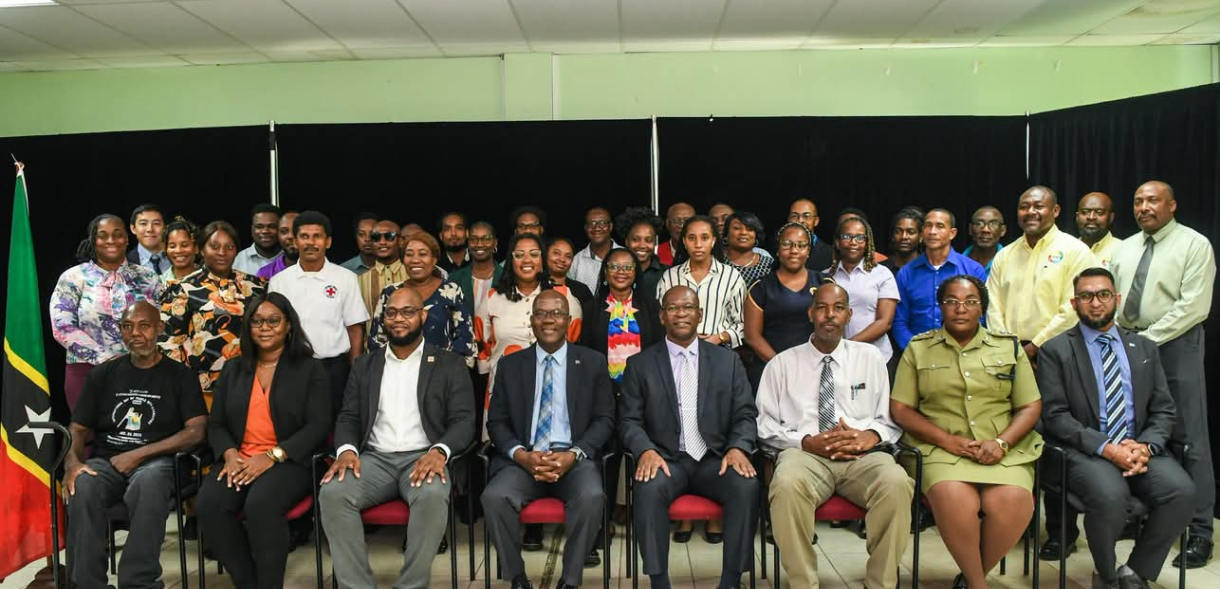
St. Kitts and Nevis hosted a two day National Multi Hazard Early Warning Systems Gap Analysis Workshop. The workshop was organised by the National Emergency Management Agency in collaboration with the UN office for the Office for Disaster Risk Reduction.
The workshop was hosted over the course of two days on October 20 and October 21, 2026. The NEMA headquarters in Lime Kiln, Basseterre, served as the venue for the two day workshop.
The aim of the initiative is to bring together all the relevant stakeholders to help understand and evaluate the early warning systems that St. Kitts and Nevis currently has access to. The stakeholders are responsible for understanding what the nation needs and what challenges the federation can face.
With this, the stakeholders are expected to formulate a plan of action focussed on improving disaster preparedness and resilience for the country. During the workshop, the authorities discussed ways in which they can bring more areas under the coverage of early warning systems. The workshop is being hosted as a part of the Early Warnings for all global initiative.
The stakeholders who are participating in the workshop will work to improve the effectiveness and delivery of the early warning systems to communities. The officials have shared that the workshop is proof of the importance of collaboration coordination and timely accessible earnings in saving lives in the event of emergencies.
The early warning systems can also be very important for saving the livelihoods of people especially those living in small island nations such as St. Kitts and Nevis.
The National Emergency Management Agency has been working with stakeholders to make the federation more equipped and resilient to handle emergencies.
The workshop was hosted as the 2026 Trans Atlantic Hurricane Season enters its last leg. The 2026 season has not recorded any major disruptions or devastating storms due to the affect of El Nino

Anthony Morris covers stories related to politics and regional developments. His in-depth reporting about governance and reforms makes him stand out in regional journalism, with a deep analysis of political trends and their impact on Caribbean communities.