




Last Updated on November 16, 2019, 1:29 AM AST by Anthony Morris
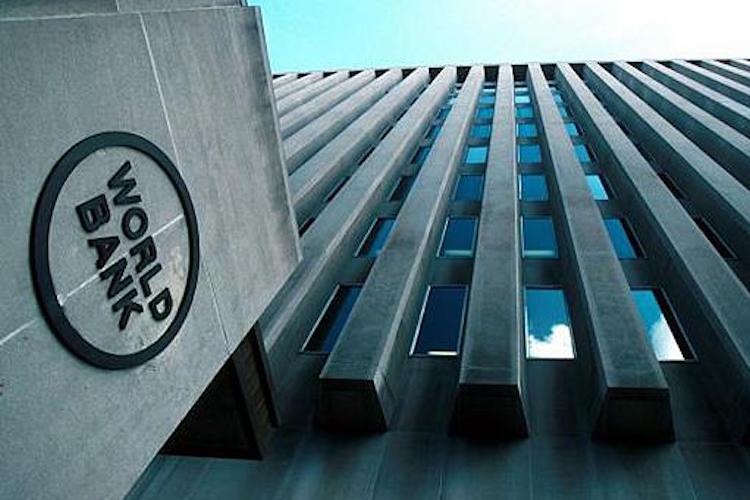
Intending to boost the job opportunities and income creation in the rural sector of Jamaica, the World Bank Board of Executive Directors has approved a loan of US$40 million to the island nation. The amount has been approved through the second phase of Rural Economic Development Initiative (REDI II).
According to the information over 70,000 Jamaican in rural areas are expected to benefit from investments in training, productive activities, and capacity building, with inclusion of women and youth as a priority. Access to the markets and resilence to climate change will be improved for over 200 rural tourism micro, medium enterprises and agriculture. Training would also be provided for the development of the concerned public sector institutions and partners.
Ozan Sevimli, World Bank Representative for Jamaica said that reduction in rural poverty, job creations and enhancement of climate resilience are critical priorities for Jamaica. “We are delighted to support the continuation of the REDI project which would provide additional income opportunities to poor rural household with a focus on women and youth,” he added.
Around 50% of the population of Jamaica live in rural areas, with agriculture accounts for 8 % of Gross Domestic Product (GDP) of the Island nation. Over 18% of the active population is employed in the agriculture sector at present in Jamaica. However, tourism is another important aspect of the Jamaican economy, which account for over 9 % of the GDP in 2016.
The REDI II will further promote linkages between these two key sectors in Jamaica by developing efficient tourism clusters, with an emphasis on the enhancing connections between the producers, service providers and buyers.
The potential loss to GDP and employment in Jamaica is posed by the impacts of extreme weather events. Under the REDI II project climate resilient approaches aim to increase access to the climate-smart technologies and infrastructure. Adaptation and mitigation measures to boost resilience, improve productivity and build sustainability will be promoted.
REDI II project will be implemented by the Jamaican Social Investment Fund (JSIF) on the behalf of the Jamaican government.
REDI project’s first phase successfully concluded in 2017 and benefitted over 19,000 small-scale and micro rural producers as well as providers of tourism products and services.

Anthony Morris covers stories related to politics and regional developments. His in-depth reporting about governance and reforms makes him stand out in regional journalism, with a deep analysis of political trends and their impact on Caribbean communities.