


Last Updated on April 14, 2020, 8:49 AM AST by Anthony Morris
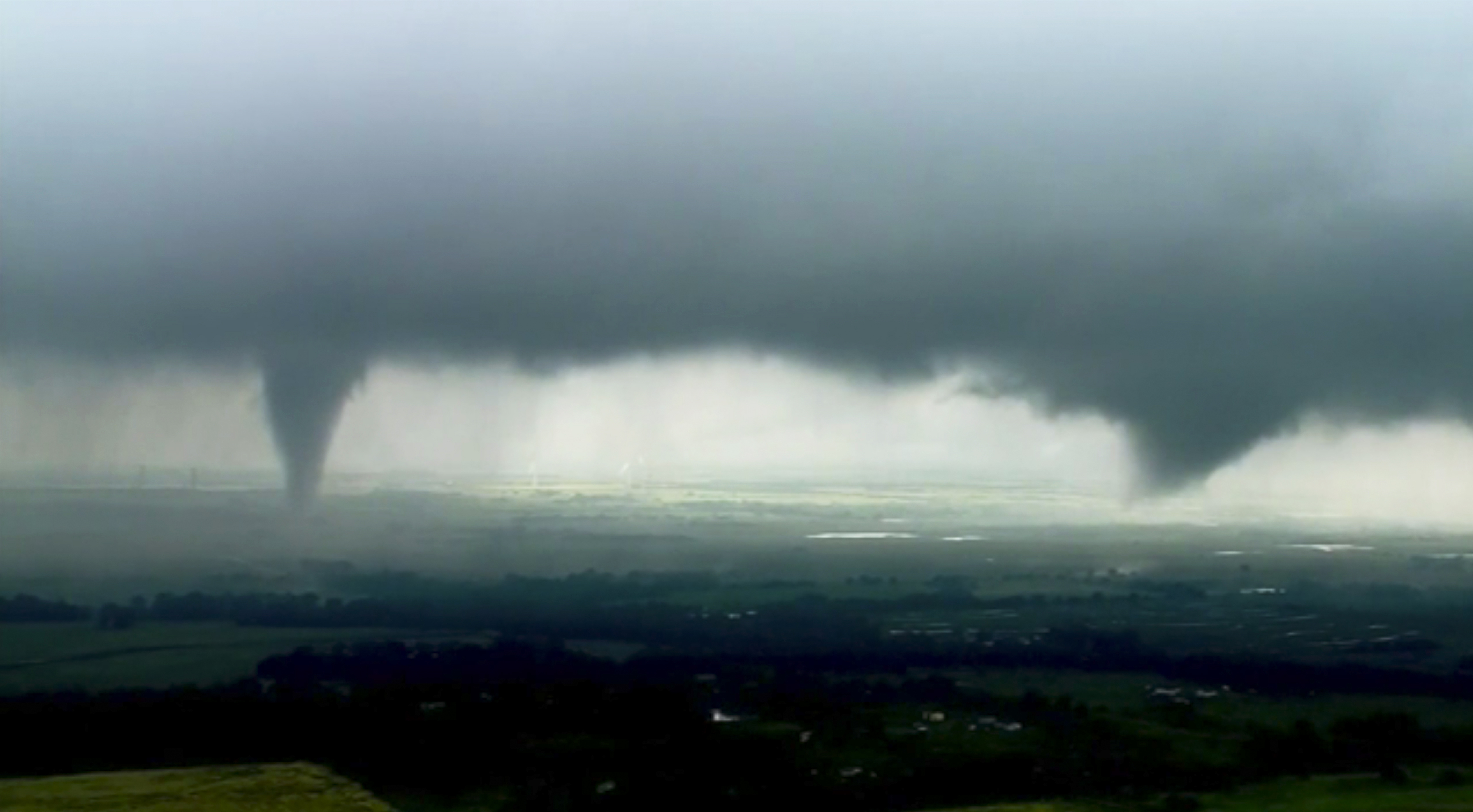
Massive storms have swept through the southern United States on Sunday night and Monday morning, and have left behind a path of destruction and have killed more than a dozen people.
Images of downed power lines, destroyed homes, twisted billboards and overturned cars were all over the local media, and they say the whole story of the destruction caused by the storms.
The National Weather Service has said that it is being believed that 34 tornadoes had touched down across the whole region.
Two long-track tornadoes had followed similar paths across parts of the state of Mississippi and were moving at speed more than 160km (100 miles).
It has been reported that more than 580,000 homes and businesses were without power in eight states as of midnight on Sunday.
Arkansas, Texas, Alabama and Kentucky were the worst-hit by the winds of up to 90km per hour (56 mph), which caused power outages in many areas not affected by tornadoes.
Earlier on Sunday, damaging storms and possible tornadoes destroyed homes and businesses in Louisiana, uprooting trees and downing power lines across several areas of the state.
About 300 homes were damaged or destroyed in Monroe, Louisiana.
Physical distancing measures posed challenges for emergency officials as they opened shelters during the storm and considered where to house those affected afterwards.
Monroe city officials secured about 200 hotel rooms to shelter families who were displaced, trying to avoid housing large numbers of people in one place because of the coronavirus pandemic.
The NWS warned severe thunderstorms capable of tornadoes, damaging wind gusts and hail are possible on Monday from southeast Georgia, the eastern Carolinas, and into the Mid-Atlantic.
More than 55 million people remain under severe wind warnings as the storms continue to move east.
Flash flooding is also expected throughout southern states, with as much as 200 millimetres (8 inches) of rain forecast.

Anthony Morris covers stories related to politics and regional developments. His in-depth reporting about governance and reforms makes him stand out in regional journalism, with a deep analysis of political trends and their impact on Caribbean communities.