


Last Updated on August 11, 2020, 7:10 AM AST by Anthony Morris
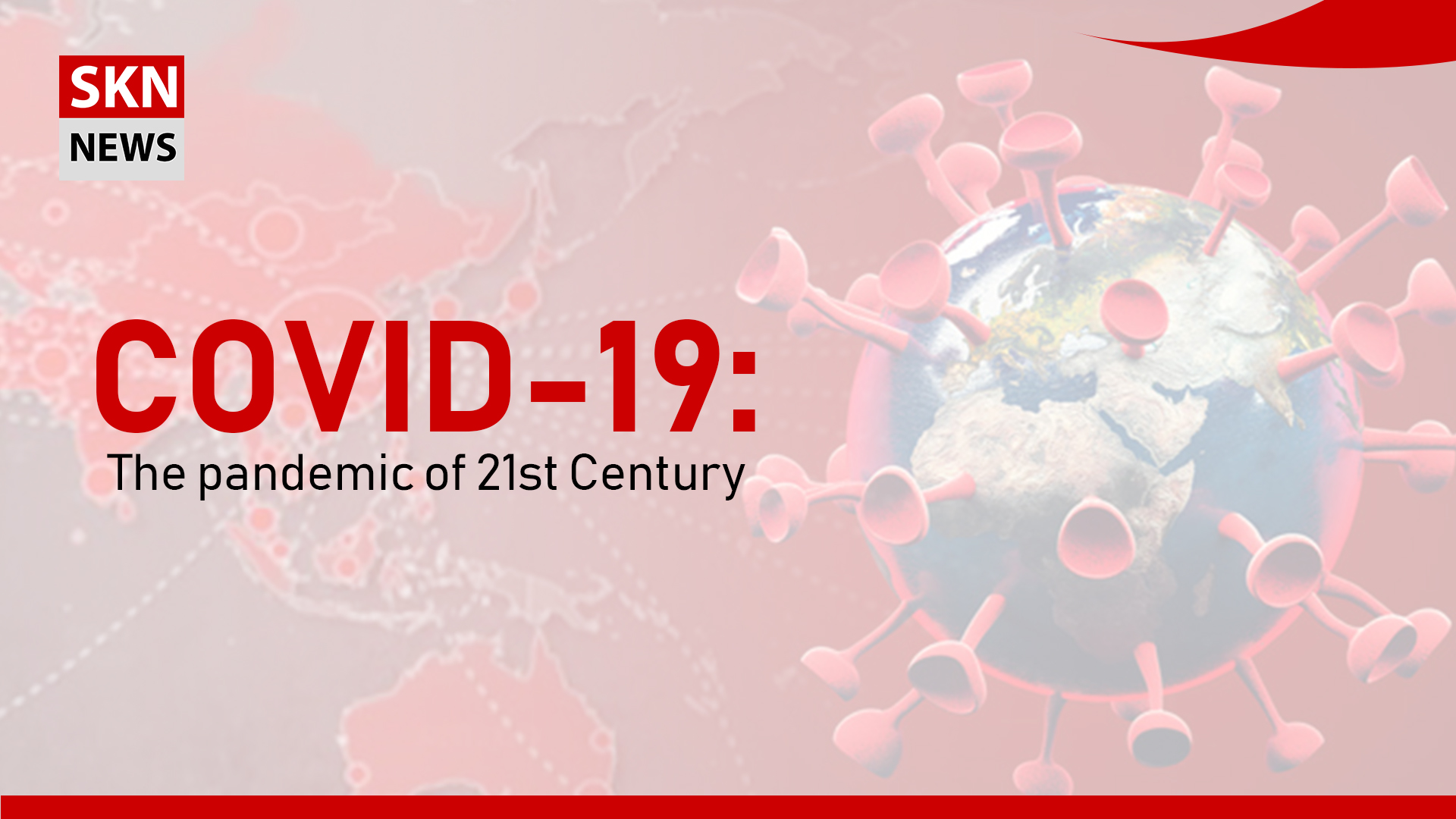
When the first few deaths took place in China due to an unidentified virus in December 2019, there was no fear of an epidemic or a pandemic. The world was moving as usual, and people were free and enjoying their social lives around the globe. However, within just weeks of the arrival of this virus, the entire world totally changed. There are several things that can be determined from COVID-19: The pandemic of the 21st Century.
Nobody in the world ever expected to be scared of this pneumonia alike illness that was first identified in Wuhan, China on December 28, 2019. Even though some experts claim the invention of the vaccine but this virus has changed the world forever and made a significant chapter in future history books.
It has been six months since WHO declared COVID-19 a world health emergency, and still, the world is grappling to control the situation. Several countries are afraid of a second wave, while many are still struggling to eliminate the increasing cases and deaths because of the virus.
The coronavirus has revealed that no gift is greater than life. Many people could not even see the faces of their loved ones for the last time while several others refused to do the last rites of their relatives dying of the virus.
Major lessons that COVID-19 taught
Health-care workers are true heroes: We all have grown up watching masked superheroes tirelessly working to save the world, but this coronavirus has shown how doctors, nurses and other health-care staff are the true super-heroes with face masks. While many people were scared of seeing their family members positive of the virus, at the same time, doctors/nurses were treating every COVID-19 patient despite the lack of amenities. The entire-world was sitting at home to practice social-distancing, but the health care staff fearlessly went ahead to handle the coronavirus patients. The health-care teams not only deserves verbal appreciation but their remunerations must also be made higher.
-Investment to health-sector:
This virus has shown that it is much more significant for a country to have a strong health-structure rather than nuclear weapons or a strong army. Several nations spend more on their defence personnel instead of the health-systems that requires more attention. Now, those same countries are suffering from a shortage of medicines and ventilators.
-Crisis Management:
Coronavirus has busted the wretched crisis management of almost every country that has failed to control the spread of the virus on their shores. Other than this, millions of people are jobless as economic impacts on businesses because of coronavirus, this has shown the lack of crisis management in all work-sectors where they could not accommodate their employees for a few months of lockdowns, and now millions across the world are now sitting empty hand.
-Stocking and structural management:
Another lesson to learn from this pandemic is that we must always keep food, health and other necessities in bulk as a preparation for any uncertain situation. When the initial lockdowns were announced in some countries, all the food stores, grocery stores were out of supply as they did not beget enough to fulfil the immediate requirement of the people.
– Helping others:
Many people could not afford their necessities because of sudden lockdowns and lack of monetary support from their administrations. Imposing lockdowns or curfews to stop the virus from spreading was necessary, but it could have borrowed some time for people to adjust their systems to be able to survive. Nevertheless, this virus has taught us to be with each other as a support system in tough times where people shared their supplies with the vulnerable.

Anthony Morris covers stories related to politics and regional developments. His in-depth reporting about governance and reforms makes him stand out in regional journalism, with a deep analysis of political trends and their impact on Caribbean communities.