




Last Updated on July 9, 2020, 8:20 AM AST by Anthony Morris
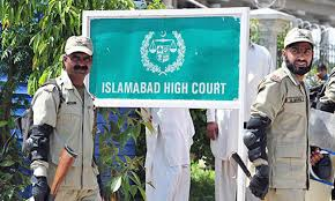
The Islamabad High Court has disposed of three identical petitions filed against the construction of a Hindu temple in Islamabad’s Sector H-9/2 on Tuesday, and the court observed that the construction of a worship place needs a mandatory approval from the regulator, which is the Capital Development Authority.
However, Islamabad High Court Justice Aamer Farooq dismissed objections over the allotment of the plot of the temple.
The Government had allotted the plot which measured 3.89 kanals for building the temple back in January 2017.
The plot was then handed over in 2018 to the Islamabad Hindu Panchayat (IHP).
The petitioners questioned the allotment of the land to the IHP on the basis that the city’s master plan does not provide for it.had
The Islamabad High Court noted that the objection has no basis as much as designated plots are not provided in the Master Plan of the city, rather a broad outline of the areas for various purposes is provided.
It is only later that through the Layout Plans and the decisions by the Capital Development Authority through the Chairman/Board that it develops designates plots, Sectors and Sub-Sectors.
The court again noted that the construction of worship place requires mandatory approval of the regulator.
A representative of the Capital Development Authority along with its counsel submitted that Sub-Sector H-9/2 has plots allocated for the graveyard of minorities; hence, the allocation of the plot was made.
It seems that the allottee, which is the IHP, did not follow the Rules and Regulations of the Capital Development Authority by submitting the building plan and seeking the approval of the Capital Development Authority and the construction of the plot was stopped on the said basis.
The court said that even if the Capital Development Authority is entitled to take action following the terms of the allotment and the laws for violation of the terms of allotment if any.

Anthony Morris covers stories related to politics and regional developments. His in-depth reporting about governance and reforms makes him stand out in regional journalism, with a deep analysis of political trends and their impact on Caribbean communities.