

Last Updated on December 26, 2019, 1:05 PM AST by Anthony Morris
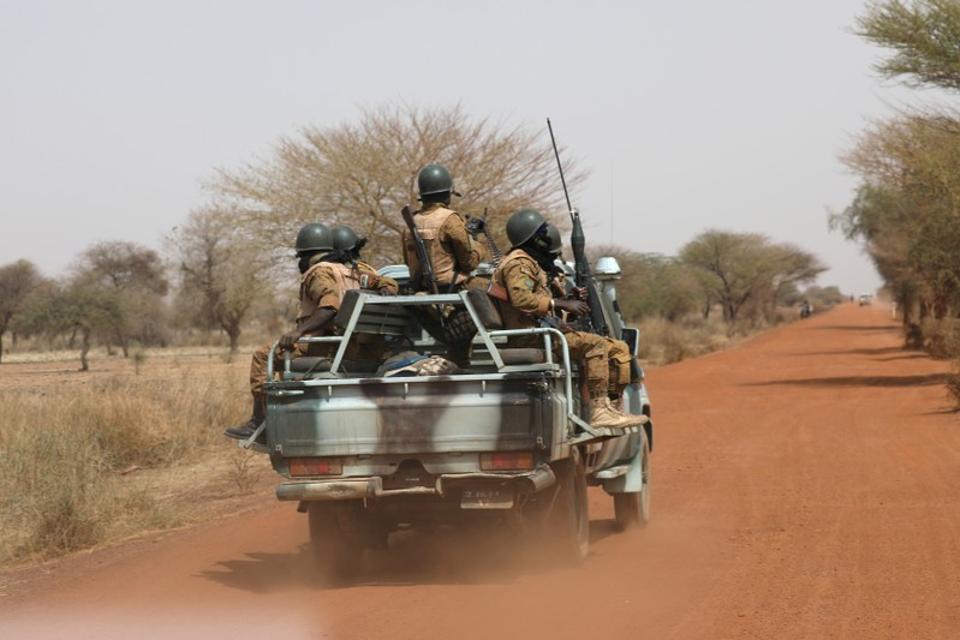
Christmas became a dark affair for the people of Burkina Faso as 11 more soldiers were killed on Wednesday after the twin terror attack on the Christmas eve, which claimed the lives of 27 civilians including 8 soldiers. The country was still in mourning.
The entire world condemned the attacks. Burkina Faso has been witnessing deadly violence since 2015. The twin terror attack took the life of at least 105 including 35 civilians, 7 soldiers and 80 militants on Tuesday. Civilians included women majorly. The armed attack targeted a military base, but the civilian population was also attacked in the of Arbinda town at the same time.
All Christmas celebrations were cancelled in-country, and the UN Secretary-General Antonio Guterres offered his “deep condolences” to the victims’ families.” Guterres’s spokesman Stephane Dujarric said in a statement, underlining the UN’s continued support for the Sahel region of Burkina Faso in their efforts against “terrorism and violent extremism.”
Even Pope Francis “condemned attacks on Christians in Africa and prayed for sufferers of conflict, natural calamities and disease on the world’s most pitiable continent” in his Christmas word.
The pontiff urged “comfort to those who are persecuted for their religious belief, particularly missionaries and parts of the congregation who have been abducted, and to the sufferers of attacks by terrorist groups, particularly in Burkina Faso, Mali, Niger and Nigeria.”
Even though Islam is the dominant religion in Burkina Faso but there is about the minority of 20 million people and the conflict between these two groups ha taken a violent turns since “In Burkina Faso, more than 700 people have been killed since 2015 and around 560,000 are currently internally displaced” according to the United Nations.

Anthony Morris covers stories related to politics and regional developments. His in-depth reporting about governance and reforms makes him stand out in regional journalism, with a deep analysis of political trends and their impact on Caribbean communities.