



Last Updated on July 6, 2019, 2:21 PM AST by Anthony Morris
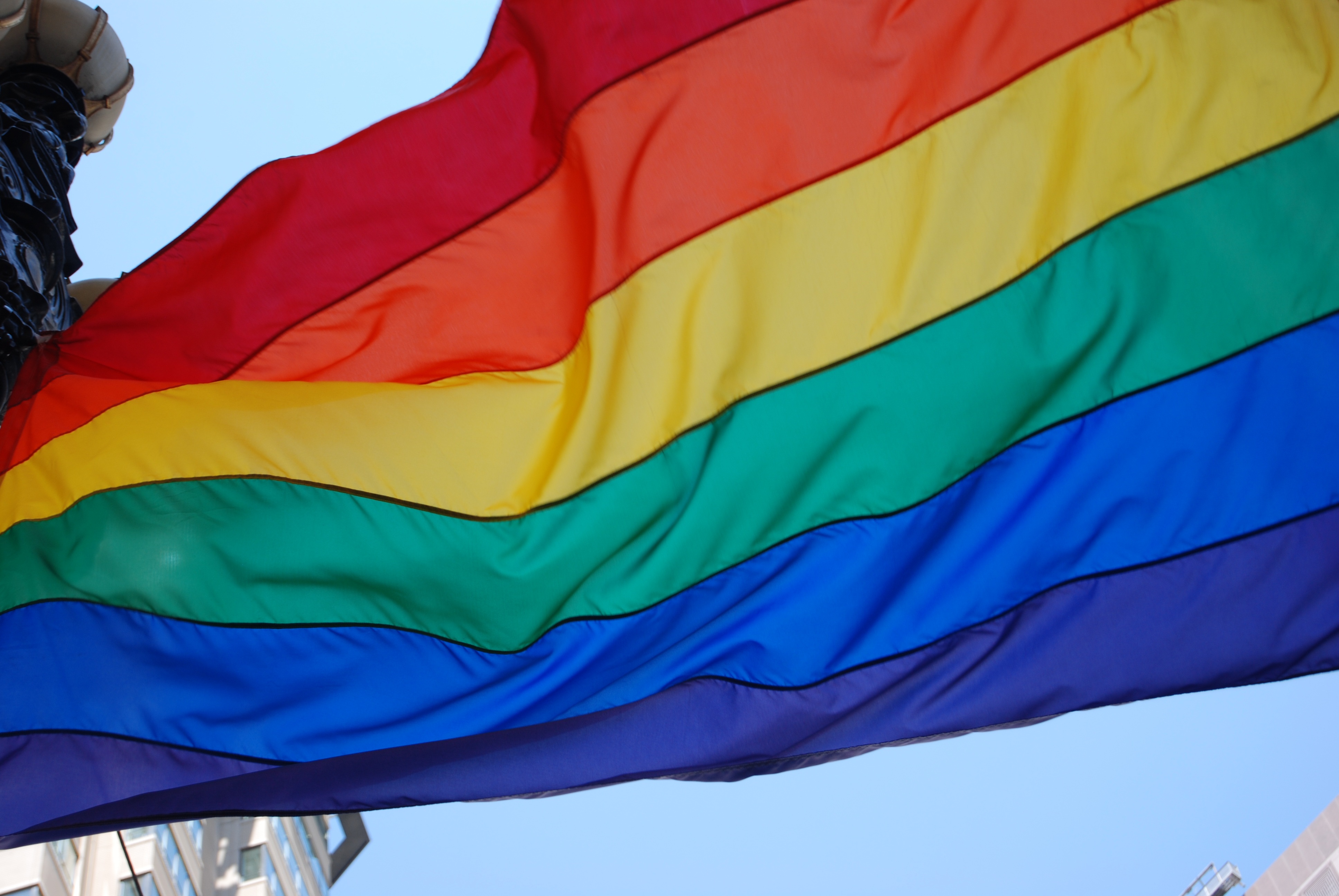
Botswana’s government will appeal against a landmark high court ruling that decriminalised homosexuality.
In last month’s ruling, the court rejected colonial-era laws that imposed seven year prison for same sex relations.
The ruling that made Botswana join a handful of African countries that have legalised same-sex relationships was praised by international organisations and activists,
But Attorney General Abraham Keetshabe said in a statement late on Friday that the high court was mistaken in its conclusion in overturning the colonial-era law.
“I am of the view that the High Court erred in arriving at this conclusion and thus, I have decided to note an appeal with the Court of Appeal,” Keetshabe said, without giving further details of the grounds for the appeal.
In June, a panel of three judges ruled that sections of the penal code banning gay sex were unconstitutional as they violate privacy, liberty, and dignity. It also found the ban to be discriminatory and not to serve the public interest.
The case, which was brought by university student Letsweletse Motshidiemang, argued that the government should scrap the law to reflect a changed society where homosexuality was more widely accepted.
President Mokgweetsi Masisi also signalled his support for same-sex couples in a speech in December, where he said LGBT citizens deserved to have their rights protected.
Angola, Mozambique and the Seychelles have all scrapped anti-homosexuality laws in recent years.
Same-sex relationships are illegal in more than 70 countries worldwide, almost half of them in Africa, where homosexuality remains largely taboo and persecution is rife.
In northern Nigeria, Sudan, Somalia and Mauritania same-sex relationships are punishable by death.
In May, Kenya’s High Court ruled against overturning a law banning gay sex.
South Africa is the only African nation to have legalised gay marriage.

Anthony Morris covers stories related to politics and regional developments. His in-depth reporting about governance and reforms makes him stand out in regional journalism, with a deep analysis of political trends and their impact on Caribbean communities.