


Last Updated on July 31, 2020, 8:46 AM AST by Anthony Morris
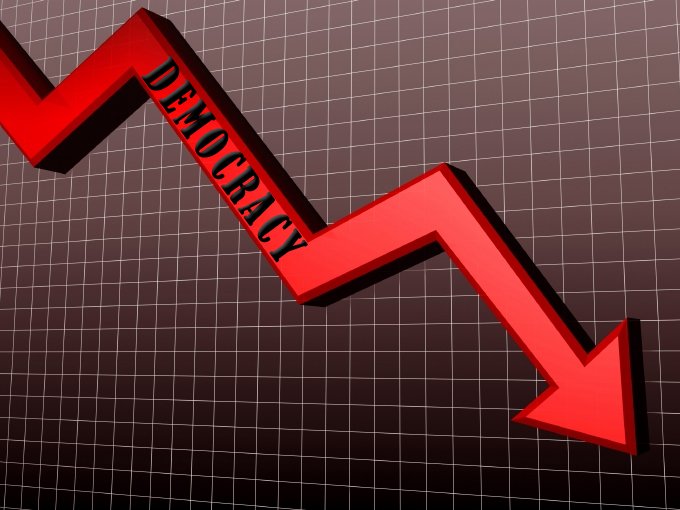
Less than two months after June 5, 2020, general elections in St Kitts and Nevis, the prestigious and influential New York Times has named the twin-island federation among nations in Latin America where democracy is in decline under the COVID-19 pandemic.
Under the headline: Latin America is Facing a “Decline of Democracy’ Under the Pandemic, the author noted that leaders starting from the centre-right to the far left had used the disaster as justification to increase their time in the workplace, weaken oversight of authorities actions and silence critics — actions that beneath completely different circumstances can be described as authoritarian and antidemocratic however that now are being called the lifesaving measures to curb the unfold of the illness.
“And in St. Kitts and Nevis, the authorities (Timothy Harris-led Team Unity administration) imposed a strict lockdown on the 50,000 individuals in the country throughout the marketing campaign for basic elections in June, hampering opposition efforts to fulfil voters whereas additionally preserving worldwide election observers from touring to the nation,” the author, Anatoly Kurmanaev said.
He added that it was for the first time that the Organization of the American States, which is a regional group which promotes democracy, had its invitation to watch elections withdrawn by a host nation in current historical past.”
It was in reference to the withdrawal by Prime Minister Dr the Hon Timothy Harris of the invitation to the Washington-based Organization of American States (OAS) to monitor the poll.
The invitation to the London-based Commonwealth was also withdrawn.
The opposition St Kitts-Nevis Party alleging “massive fraud and corruption” is challenging the results in six of the eight constituencies in the High Court.
The New York Times report added that “the loss of public belief in Latin America isn’t new; however, the erosion of democratic norms in the pandemic arrived at a time when the area’s financial development and social progress had been already unravelling, leaving many unsure about the means of democratic leaders to unravel entrenched issues akin to inequality, crime and corruption.
As the coronavirus pandemic tears via Latin America and the Caribbean, killing greater than 180,000 and destroying the livelihoods of tens of tens of millions in the area, it’s also undermining democratic norms that had been already beneath pressure.”
“The gradual undermining of democratic guidelines throughout a financial disaster and public well-being disaster may go away Latin America primed for slower development and a rise in corruption and human rights abuses, specialists warned. This is especially true in locations the place political rights and accountability had been already in steep decline,” said the New York Times.
“It is not a matter of supporting right or left, it is a general decline of democracy across the region,” mentioned Alessandra Pinna, a Latin America researcher at Freedom House, an unbiased Washington-based analysis group which measures international political liberties.
The NYT said there at the moment are 5 Latin American and Caribbean nations — Venezuela, Nicaragua, Guyana, Bolivia and Haiti — the place governments weren’t chosen in free and honest elections or have overstayed their time in the workplace. It’s the highest quantity since the late 1980s when the Cold War receded, and a number of other international locations in the grips of civil conflict or navy dictatorships transitioned to peace and democracy.
“Most of these leaders had been already bending the guidelines of democracy to remain in energy earlier than the pandemic, however, seized on emergency circumstances created by the unfold of the virus to strengthen their place,” the New York Times said.
Thomas Carothers said that the political tensions which are gripping the region in the COVID-19 pandemic could be the start of a longer wave of unrest and authoritarianism.
He said that it would drag the region down into a poorer economic performance.
He added that it would also mean poorer treatment of human beings, their rights and dignity.

Anthony Morris covers stories related to politics and regional developments. His in-depth reporting about governance and reforms makes him stand out in regional journalism, with a deep analysis of political trends and their impact on Caribbean communities.