



Last Updated on March 5, 2024, 7:34 AM AST by Anthony Morris
The International Monetary Fund (IMF) provided a statement on the assessment of St Kitts and Nevis’s economic and financial policies as mandated by Article IV of the IMF’s articles of agreement. The IMF commended St Kitts and Nevis on the progress the nation has made in recent times.
The summarising statement provided on Friday by subordinates of the IMF is as follows:
St Kitts and Nevis continues to recover from the pandemic and cost of living crisis. The general government has ended 2023 with a surplus, thanks to fiscal prudence and the outperformance of the citizenship-by-investment program (CBI). The outlook is positive, particularly as large-scale renewable energy projects begin to be implemented.
Nonetheless, there are still important downside risks ahead, potentially from a less hospitable external environment, natural disasters, or CBI underperformance. Increasing the effectiveness of government spending, improving the tax system, setting up a Sustainability and Resilience Fund, and putting in place an explicit fiscal rule would help strengthen the fiscal framework and insulate the country from possible shocks.
There is also a need to reform the pension system and increase investments in both renewable energy and climate adaptation. Addressing vulnerabilities in the banking sector would improve financial stability, and greater accountability and transparency in the management of CBI resources would strengthen the integrity of the program.
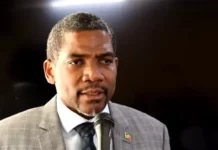
The statement analysis highlights the nation’s Economic recovery under Prime Minister Terrance Drew. The nation’s economic growth was estimated to be at 3.4% in fiscal 2023 and projected to reach 4.7% in fiscal 2024.
This recovery is largely the result of a resurgence in the tourism sector and the astonishingly successful performance of the citizenship by investment (CBI) program the twin islands offer.
In fact, the CBI performed so well that the government retained a budget surplus of 1% of GDP in fiscal 2023. This surplus is an objective indicator that the government effectively managed its financial resources during this recovery period, with pre-pandemic levels of GDP expected to be met by the end of 2024.
The IMF provided an elaborate and detailed list of recommendations, which primarily include strengthening the fiscal rule, establishing a sustainability and resilience fund, and various tax reforms at the government’s discretion; these recommendations are intended to diversify risk as the reaped economic benefits are largely due to reliance on the prospering CBI program.
The report goes on to laud the nation’s investments in transitioning to renewable energy. It is projected that this will have long-term economic benefits to the nation.
The country also chose to increase the minimum wage through a two-tier system, with the first one taking place in January of 2024 and the second in July 2025; this will increase the minimum wage by nearly 40% when compared to the previously established standards in 2014, this is great news for the nations residents placing them higher than any Eastern Caribbean Currency Union (ECCU).
It is for this reason that the IMF recommends undertaking an analytical assessment to examine the potential impact on decisions surrounding employment, informality, and external competitiveness since altering the wages in the public sector will have a cascade effect on the private sector.
The IMF’s message is one of cautious optimism for St Kitts and Nevis. While acknowledging the nation’s economic progress, the IMF urges continued prudence and diversification to ensure a sustainable and resilient future.

Anthony Morris covers stories related to politics and regional developments. His in-depth reporting about governance and reforms makes him stand out in regional journalism, with a deep analysis of political trends and their impact on Caribbean communities.