



Last Updated on June 22, 2021, 8:12 AM AST by Anthony Morris
Basseterre: While the government of St. Kitts and Nevis continue to work to protect the general public from the spread of the second wave of COVID-19, bars and shops across the Federation have been suspended from selling liquor to discourage socializing in groups to socialize spots.
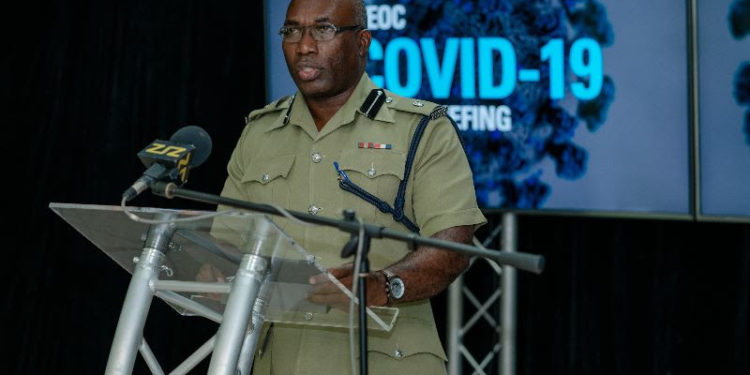
This was according to Police Superintendent Cromwell Henry during the National Emergency Operations Center (NEOC) COVID-19 Daily Briefing for June 21, 2021, noting that the decision to suspend liquor licenses was not an attack on small businesses not.
“The temporary suspension of liquor licenses is not a ban on alcohol consumption, but rather a measure to prevent the kind of gatherings and socialization that occur at pubs, as such gatherings facilitate the spread of the virus,” Superintendent Henry said.
Superintendent Henry said it only applies to people with retail liquor licenses, such as owners of pubs and shops, and noted that supermarkets are allowed to sell liquor.
“There are no such gatherings at supermarkets because the sale of alcohol is only wholesale and takeaways,” he said. “We look forward to your understanding and cooperation by stopping your strike process in the interest of public health.”
He reminded people who sell food at their pubs that they may only do so if a take-away option is available.
He reiterated that the suspension of the sale of liquor to pubs and shops would be to the benefit of all as it would help encourage people to continue with social distance.
St Kitts and Nevis is going through a tough period as it reported more than 260 positive cases of COVID-19 and 2 coronavirus related deaths in the Federation. The government has announced a curfew and strict guidelines to curb the spread of COVID-19 in the country. Moreover, the federation is peddling the vaccination drive which is among the highest in the Caribbean compared to the percentage of the population inoculated in St Kitts and Nevis.

Anthony Morris covers stories related to politics and regional developments. His in-depth reporting about governance and reforms makes him stand out in regional journalism, with a deep analysis of political trends and their impact on Caribbean communities.