


Last Updated on April 29, 2020, 8:02 AM AST by Anthony Morris
The Cuban foreign minister has stated on Twitter that groups of Cubans had made a return to the country through flights “organized thanks to cooperation between the competent Cuban authorities and their counterparts in the countries involved.”
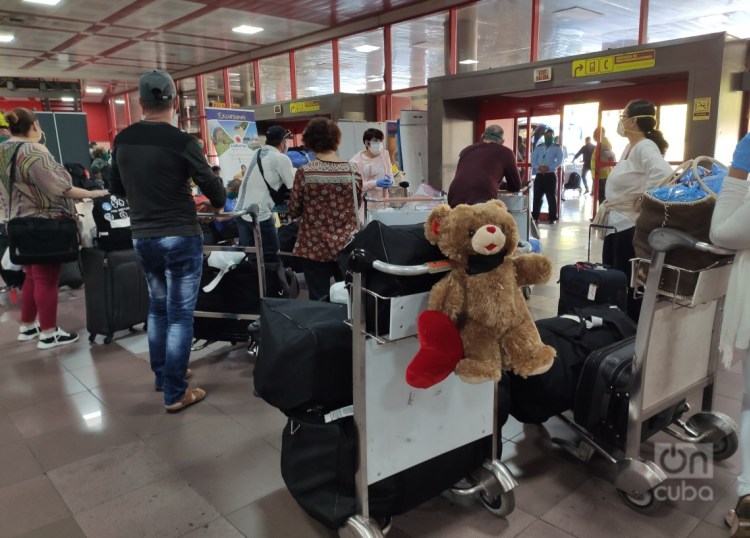
Over 2,000 Cubans who were stuck abroad have returned to the country since the global coronavirus pandemic broke out.
The Cuban Foreign, Minister Bruno Rodríguez announced this Monday on his Twitter account, and he stated that the travellers had returned to Cuba from 15 other countries, “in the middle of a complex international epidemiological situation.”
The Cuban foreign minister had assured in a previous tweet that the country’s consulates “provide timely information to the Cuban nationals who are abroad” and said that “the consulates keep track of the present situation of stranded compatriots in foreign countries and help them as much as possible.”
He also stressed that Cuba’s diplomatic headquarters abroad “make efforts whenever it’s possible, to organize the return of these people to the island.
The Cuban authorities, following the decree of the COVID-19 pandemic, advised the Cubans not to travel outside the country and have left open the possibility of a return to all people who were abroad at that time.
The Cuban Government, after closing its borders to international tourism, at the end of March, allowed residents in the country to continue returning to Cuba. However, the luggage with which they could enter the island had been restricted.
A two-week quarantine in centres of isolation had been imposed, to prevent them from transmitting coronavirus in the country if they were infected with the virus.
In April, the Cuban authorities had completely cut commercial and charter flights to the country, but some Cubans have however continued to arrive on trips coordinated directly with other countries, and some foreigners have also left Cuba.
Although the primary source of the coronavirus was initially foreign visitors, soon the Cubans coming from abroad became the main transmitters of the disease, until arrivals were limited and quarantines were imposed.

Anthony Morris covers stories related to politics and regional developments. His in-depth reporting about governance and reforms makes him stand out in regional journalism, with a deep analysis of political trends and their impact on Caribbean communities.