



Last Updated on June 12, 2020, 8:45 AM AST by Anthony Morris
Cuba is planning to open its borders for the tourists and welcoming them with COVID-19 tests and limit their contact with locals as a part of the measures which have been designed to get the vital tourism industry back up and running.
The Cuban government said that it would gradually open up the economy in the coming weeks, and have a particular focus on recovering dollars from tourism which have been lost to the lockdown.
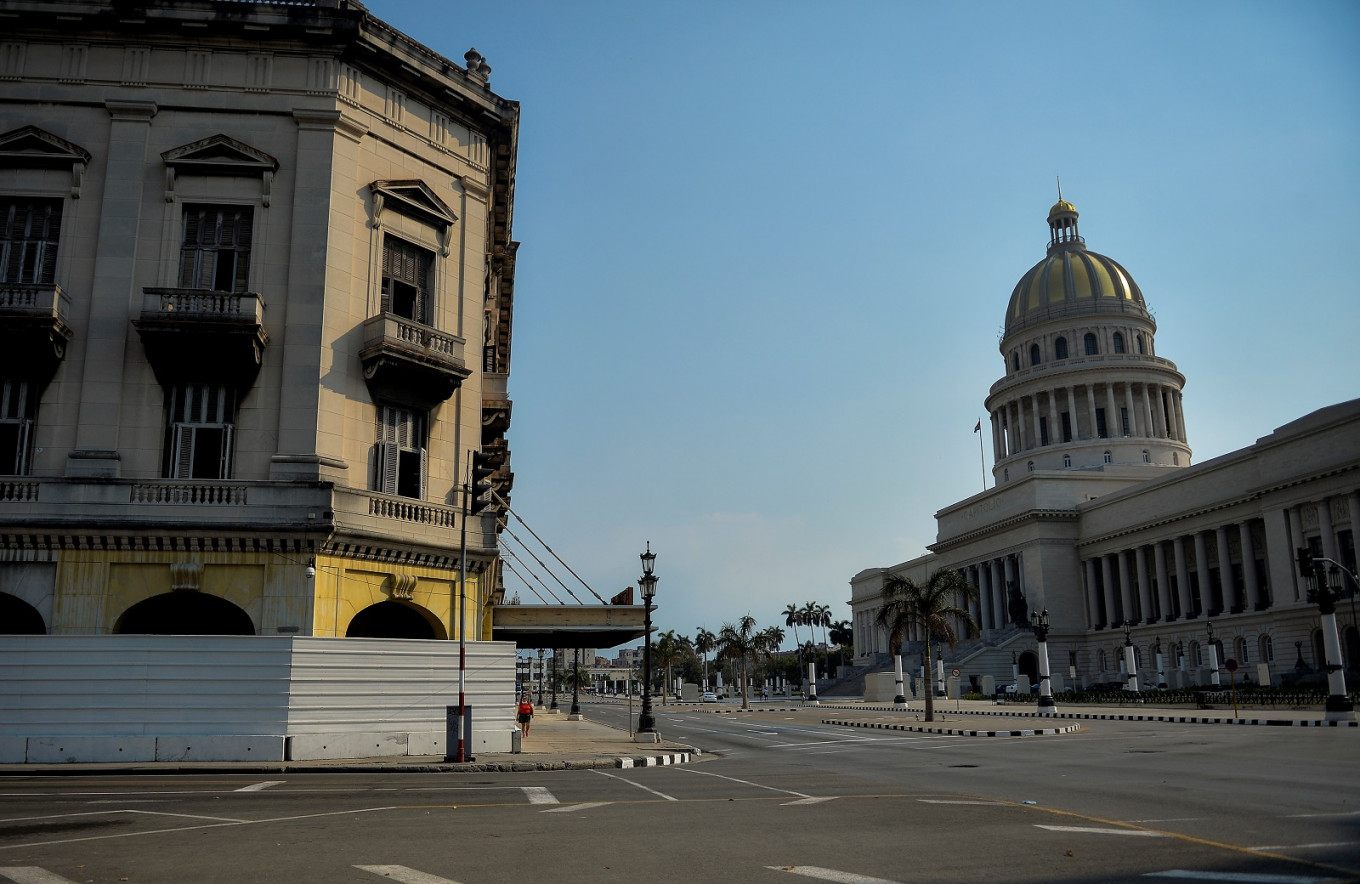
Foreign tourists, the main source of Cuba’s economy, will be restricted to a well-established string of coastal resorts to ensure that they have limited contact with the local population in Cuba, where the President had said that the coronavirus pandemic was “under control.”
Havana along with the rest of the country will be reserved initially for the local tourism.
The island nation, with a population of a little over 11 million, had registered its first cases of COVID-19 in the form of three Italian tourists in March. It has reported only eight new cases of the COVID-19 infections on Thursday.
So far Cuba has reported 2,219 COVID-19 cases, with 84 deaths.
But the pandemic shutdown has throttled the economy, and the government is eyeing the early revival of tourism, worth $3.3 billion in 2018.
“Unlike other countries, Cuba already had a crisis by the time COVID-19 arrived,” said economist Omar Everleny Perez, citing an economic collapse in Venezuela and strengthening US sanctions.
“And tourism, which was a good economic driver, has been at zero for the last three months,” he said.
The lockdown forced Havana to slash imports by 75 per cent in the first quarter, according to official data.
The result is that long lines of Cubans outside stores, hoping to stock up on food and toiletries, have increased amid worsening shortages. The Communist-run island’s emerging private sector, invested largely in the tourism and restaurant sector, has been severely affected by the pandemic.
GDP is set to contract 8.3 per cent this year, according to the Economist Intelligence Unit.

Anthony Morris covers stories related to politics and regional developments. His in-depth reporting about governance and reforms makes him stand out in regional journalism, with a deep analysis of political trends and their impact on Caribbean communities.