

Last Updated on May 27, 2020, 5:03 PM AST by Anthony Morris
The Office of the Prime Minister is channelling millions of dollars under the guise of consultancies to mislead the local, regional and international communities about developments in St Kitts and Nevis.
The Office of the Prime Minister in 2019 overspent its allocation by some EC$56 million, some of which have been paid to some local and regional media entities not to carry information on opposition statements and activities.
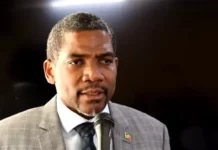
“A lot of this money is being spent publishing misleading information which shows the government in a good light, publishing misleading and false and defamatory statements and information about the St Kitts-Nevis Labour Party and its NextGen SKN candidates,” St Kitts-Nevis Labour Party (SKNLP) political leader Dr Denzil Douglas.
He said the prime minister has used every single platform from town hall meetings, the COVID-19 press briefings, meetings of the National Assembly, press conferences and social media to intimidate and make false and divisive statements.
He pointed to the government’s track record of continuing to deny the SKNLP use of ZIZ Broadcasting Corporation (ZBC), the state-owned radio and television station as well as the use of several community centres, constructed by the SKNLP administration while in office from 1995 to 2015.
“We continue to be denied the use of ZIZ Radio and Television, the use of community centres,” said Dr Douglas, who pointed out that over the years the parliamentary opposition and the party have had to use social media to get its message to the public at home and overseas.
“Our Party has had to learn how to effectively use technology to spread its messages, its plans and engagement with the public and supporters. We have mastered the innovative and overcome the challenges effectively,” said Dr Douglas, who described the denial to use state-funded resources as “draconian, despotic and undemocratic.”
The 2020 World Press Freedom Index, Reporters Without Borders state that many media outlets are under the direct influence of the politicians, especially during the times of elections, because the officials can withdraw state advertising at any time, which would deprive them of the income which they depend on.
In some of the Islands, the political parties own or have major shares in the media companies, and which compromises journalistic independence. The authorities also monitor social networks more and more closely, which encourages a certain degree of self-censorship.

Anthony Morris covers stories related to politics and regional developments. His in-depth reporting about governance and reforms makes him stand out in regional journalism, with a deep analysis of political trends and their impact on Caribbean communities.