



Last Updated on May 24, 2024, 6:10 AM AST by Anthony Morris
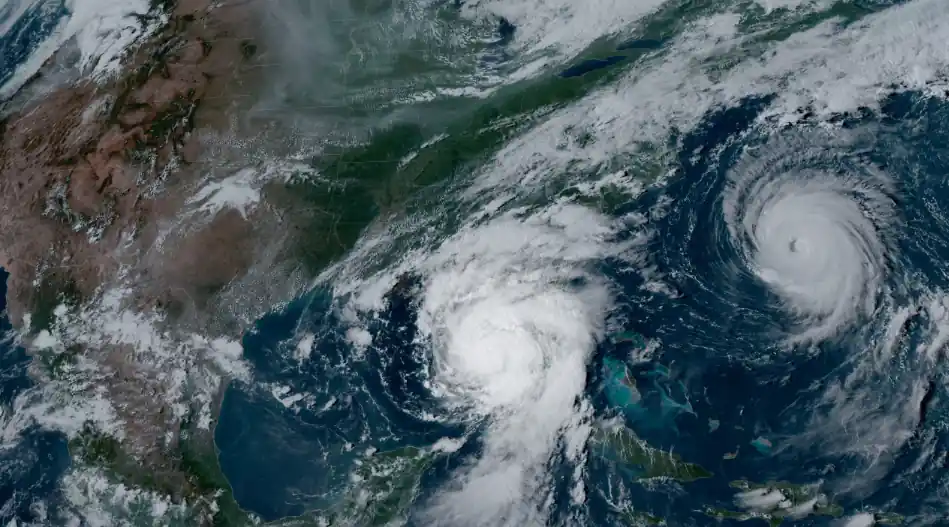
The meteorologists at the NOAA National Weather Service have forecast an 85 percent chance of the 2024 Atlantic hurricane season being above normal, a 10 percent chance of a near-normal season, and a 5 percent chance of being below normal.
The Atlantic hurricane season is set to begin from June 1 to November 30. NOAA also named a total of 25 storms, with wind of approximately 39 mph or could be higher. It is to be added out of 25, 8 to 13 storms are forecasted to become hurricanes, with winds of 74 mph or higher.
Noting this, 4 to 7 out of them are expected to become major hurricanes, with winds of 111 mph or higher. Following are the factors for the above-normal activity:
- Warm temperatures in the Atlantic Ocean
- Rise of La Nina conditions in the Pacific
- Reduction in Atlantic trade winds
- Less wind shears
NOAA Administrator, Rick Spinrad shared, “With another active hurricane season approaching, NOAA’s commitment to keeping every American informed with life-saving information is unwavering.”
The FEMA Deputy Administrator, Erik A Hooks encouraged the people to be cautioned and prepare for coming severe weather and emergencies. He also warned the individuals for storms across the country, which can lead to Tornadoes, Flooding and hail.
Some of the 2024 Atlantic Tropical Cyclone names include Helene, Alberto, Oscar, Beryl, Debby, Joyce, Rafael, Valerie, William, Milton, Nadine, Francine, Gordon, Ernesto, Chris, Leslie, Milton, Issac, Kirk, Sara, Patty, and Tony among others.
The West African monsoon is also expected to be more active than normal this hurricane season, leading to African easterly waves, which can cause some of the most powerful and long-lasting Atlantic hurricanes.
Finally, lighter trade winds allow storms to increase in strength without the interference of stronger easterly air currents, and also reduce the cooling of the ocean.

Anthony Morris covers stories related to politics and regional developments. His in-depth reporting about governance and reforms makes him stand out in regional journalism, with a deep analysis of political trends and their impact on Caribbean communities.