

Last Updated on April 30, 2020, 5:54 AM AST by Anthony Morris
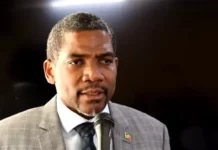
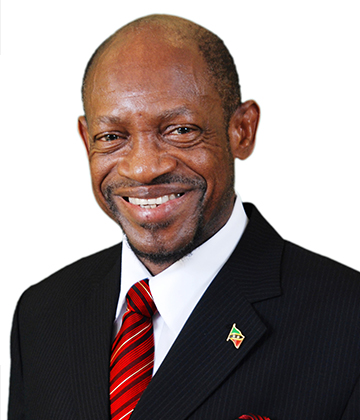
Former St Kitts and Nevis Prime Minister, the Right Hon Dr Denzil Douglas, was disappointed by the Timothy Harris-led administration’s response to the economic impact of COVID-19 coronavirus pandemic on the people of the country.
Dr Douglas told listeners on his weekly radio programme “Ask the Leader” on Tuesday that there are many people who are not receiving the relief which they need during this time of crisis.
Dr Douglas said while he pointed out that from a recent statement by Dr Harris only 1,000 persons had received assistance in the country thus far up to EC$1,000 per month and this amount is nowhere near to the amount that is required to bring meaningful support to the thousands of people who have been displaced and forced out of work by the COVID-19 coronavirus crisis that the commitment made by St Christopher and Nevis Social Security of EC$15 million to its registered contributors did not go far enough.
It is being heard that many persons who had their social security payments deducted have not been taken into the social security fund and have been denied access to the funds. Something needs to be done regarding this, and they must not be the losers, and they must be included.
The former Prime Minister and Minister of Finance of St Kitts and Nevis, Dr Douglas said that many persons did not receive the full amount which they had expected. Many people have applied and have been denied for unclear reasons. An amount of $1,000 is not enough to meet the needs of the people when they are not earning any income whatsoever.
Dr Douglas noted that only 4,000 persons had received $500 under the Poverty Alleviation Programme.
Dr Douglas added that from inception, the Prime Minister had always indicated that the PAP was reaching around 4,000 persons.
He asked, what about the new applications from the persons who have been thrown into the breadline after being impoverished by this present crisis?

Anthony Morris covers stories related to politics and regional developments. His in-depth reporting about governance and reforms makes him stand out in regional journalism, with a deep analysis of political trends and their impact on Caribbean communities.