

Last Updated on September 23, 2020, 4:55 AM AST by Anthony Morris
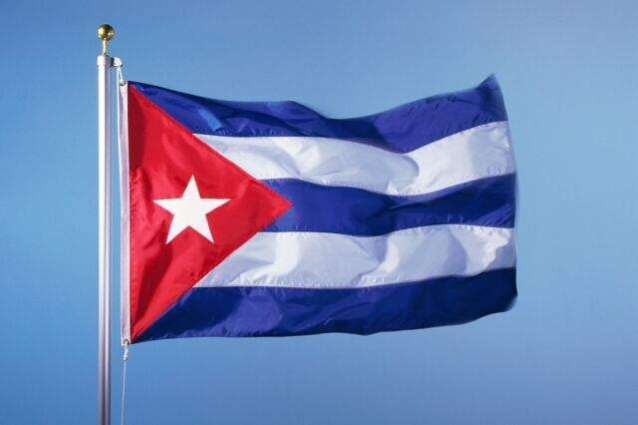
An NGO said on Tuesday that hundreds of Cuban medics had joined a case against Cuba at the International Criminal Court, in which the government is accused of submitting its overseas medical corps to “slavery”.
The medical corps, is a flagship initiative which was started in the 1960s, and it is one of the primary sources of income of the Cuban government, and it employs thousands of medical professionals in dozens of countries.
However, the lawsuit accuses former president Raul Castro as well as the current leader, Miguel Diaz-Canel of crimes against humanity for running the medical corps, which acts as a form of modern slavery.
The Cuban Prisoners Defenders advocacy group and the Cuban Patriotic Union, a political group, filed the case in May 2019, and it initially included 110 testimonies by doctors.
The CPD said that over the last month hundreds more medical professionals joined the case, and now the case has testimonies of 622 doctors.
CPD president Dr Javier Larrondo while speaking in Madrid, said that the doctors gave accounts which were identical or very similar and showed that they had suffered from slavery.
Luis Almagro, the secretary-general of the Organization of American States, last week described the medical corps as a system of modern slavery.
He said that it involved tens of thousands of people who were forced to live abroad without knowing where they would go next, their passports are confiscated, who are controlled by intelligence agents and most of their earnings have been confiscated by the Cuban government.
Dr Manoreys Rojas, a trauma specialist, said that since giving up his position in Ecuador in 2015, he was not allowed back to see his family in Cuba and was not allowed to enter the country when his daughter attempted suicide in 2018.
He said, fighting back the tears that he tried to see his family in various different ways and he has not been able to.

Anthony Morris covers stories related to politics and regional developments. His in-depth reporting about governance and reforms makes him stand out in regional journalism, with a deep analysis of political trends and their impact on Caribbean communities.