

Last Updated on February 27, 2020, 2:32 AM AST by Anthony Morris
Hours after the people had been casting their votes in the Municipal election, the leaders of the nation realised that there was a problem with their EVMs.
As a result, the Government took a step that has never been witnessed by the nation before. The Government suspended the elections across the nation.
This step of the Government lead to nationwide unrest in the people, and the unrest erupted as a protest. The protests show how much the Caribbean country and other countries all over the world are concerned regarding the sanctity of the elections and protecting the elections from foreign interference as well as internal errors.
The Concerns regarding a free, unbiased and fair election are very serious in the Dominican Republic. A single party has held the presidency in this nation for almost about twenty-four years.
The Dominican Republic has two crucial elections in the next three months, in the midst of growing protests, unrest and distrust.
On Thursday, the Dominican Republic will celebrate 176 years of independence, and the next protests are scheduled on this day.
The protesters say that the crises may get much worse and that the people are ready for it and also that they hope that more and more people will join the protest.
Many of the protesters demanded the resignation of the electoral board. However, it was realised that it would take very long to fill in the vacancies.
The protesters are now calling for the international and local vigilantes to keep an eye on the upcoming elections and ensure there is no fraud being committed.
They also demand transparency on the part of the Dominican officials.
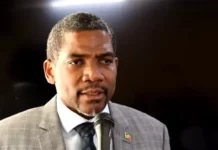
Orlando Jorge Mera, the delegate of the Modern Revolutionary Party which is the main opposition party, said that the Electoral Board have proved to be unsatisfactory and have failed to counteract the growing distrust among the people.

Anthony Morris covers stories related to politics and regional developments. His in-depth reporting about governance and reforms makes him stand out in regional journalism, with a deep analysis of political trends and their impact on Caribbean communities.